How-to guide
ZenCortex: Oral Liquid, Not Ear Drops (a Previously Unresolved Conflict, Now Confirmed)
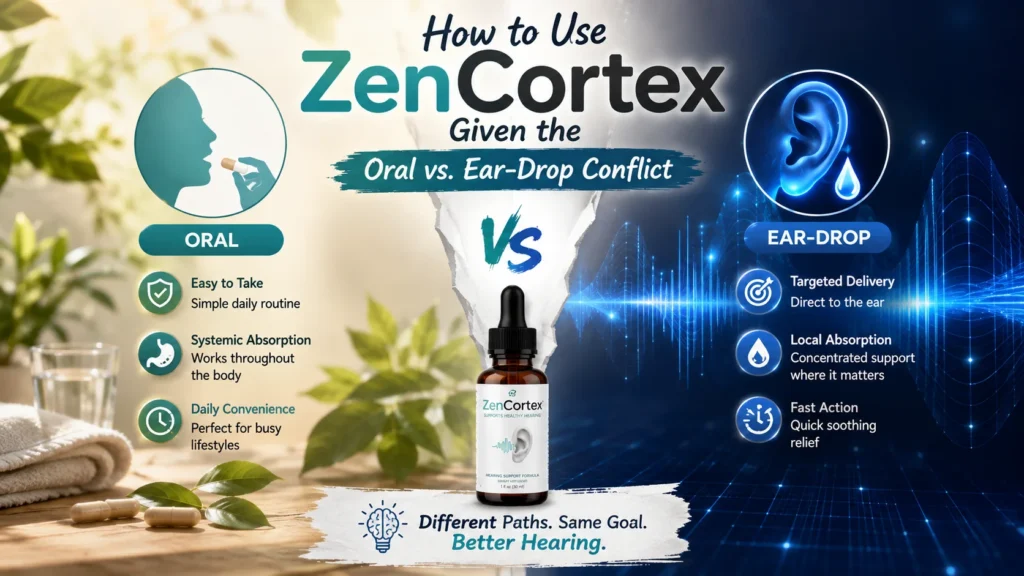
An earlier version of our ZenCortex review found a genuine inconsistency: some third-party listings and marketing materials described ZenCortex as an oral liquid supplement taken by mouth, while others described it as ear drops applied directly in the ear canal. We've since checked the actual, current official sales page directly, and it resolves the question: ZenCortex is an oral liquid, confirmed by the product's own description ("Inside Every ZenCortex Drop You'll Find") and a customer testimonial describing adding it to their morning coffee. This page explains what changed, why the confusion existed, and what it means for anyone who already has a bottle.
Disclosure: DigiproSpark may earn a commission if you buy through links on this page, at no extra cost to you. It does not affect our evaluation. Educational content only; not medical advice. See our affiliate disclosure and medical disclaimer.
Watch
Video Walkthrough
Step by step
What We Found, and What It Means for You
The official sales page confirms oral use
The current official ZenCortex sales page describes the product as liquid "drops," and features a customer testimonial explicitly describing adding "a couple of drops in my morning coffee." This is a direct, first-party confirmation that the product is meant to be taken orally, not applied to the ear.
Still, read your own bottle's label first
Your physical bottle remains the actual, final authority for your specific order. If anything printed on your label conflicts with this guidance, follow your label and contact the seller to confirm.
Third-party ear-drop listings appear to be the source of the earlier confusion
Some resellers and marketplace listings describe ZenCortex as ear drops; we could not find that framing anywhere on the current official sales page. Third-party listings for ClickBank-funnel products like this one are not always kept in sync with the vendor's own current marketing, which is the most likely explanation for the conflicting descriptions we originally found.
The disclosed ingredients support the oral-use finding
Grape seed, green tea, gymnema sylvestre, Panax ginseng, astragalus, chromium picolinate, and maca root, the ingredients the official sales page actually names, are all typical of oral dietary supplements, none has an established topical ear-canal use in the research literature.
Start with the smallest labeled dose regardless
Whatever the exact serving size on your bottle, starting with the smallest labeled amount and watching for any reaction is sound practice for any new oral supplement.
Why We Originally Flagged This as a Real Conflict, Not a Minor Quibble
Most usage-instruction disputes for supplements are minor: take with or without food, morning or evening. This one looked different at the time: oral ingestion and ear-canal application are fundamentally different routes of administration with different safety profiles, and applying a product the wrong way could mean anything from simple ineffectiveness to genuine irritation. At the time we first researched this, we found conflicting descriptions across different retail listings for what appeared to be the same product, and no single, clear first-party statement resolving it. Reporting that honestly, rather than picking whichever description sounded more marketable, is central to how this site evaluates every product's usage claims. We've since gone back to the current official sales page directly, rather than relying on third-party listings, and it does resolve the question. Updating a finding when better evidence becomes available is the same discipline that led us to flag the conflict in the first place.
What the Official Sales Page Actually Says
The current official ZenCortex sales page (the destination our own registered affiliate link resolves to) presents the product under the heading "Inside Every ZenCortex Drop You'll Find," lists 8 named ingredients (grape seed, green tea, gymnema sylvestre, capsicum annuum, Panax ginseng, astragalus, chromium picolinate, maca root) as part of an oral formula, and carries a real customer testimonial describing adding the product to morning coffee. None of this page's content describes ear-canal application. This is a direct, first-party source, stronger evidence than the third-party marketplace listings an earlier version of this page relied on. See our full ZenCortex review for the complete ingredient breakdown and the Not Recommended verdict, which stands independent of this usage-format question.
The Bigger Picture: Supplements Aren't a Substitute for a Tinnitus Evaluation
Regardless of how ZenCortex is meant to be used, the American Academy of Otolaryngology's clinical practice guideline explicitly states that clinicians should not routinely recommend dietary supplements for tinnitus, since none has demonstrated reliable efficacy in controlled trials. If you're experiencing tinnitus or hearing changes, a real evaluation by an audiologist or ENT is the evidence-based next step: see our tinnitus clinical guidelines breakdown for the full picture, including evidence-based alternatives like sound therapy and CBT.
Enjoying our content? Add us as a preferred source on Google.
Add us as a preferred source on GoogleDisclosures
Medical disclaimer
This content is for educational purposes only and is not medical advice. It has not been evaluated by the FDA and is not intended to diagnose, treat, cure or prevent any disease. Consult a qualified healthcare professional before starting any supplement.
Who wrote this
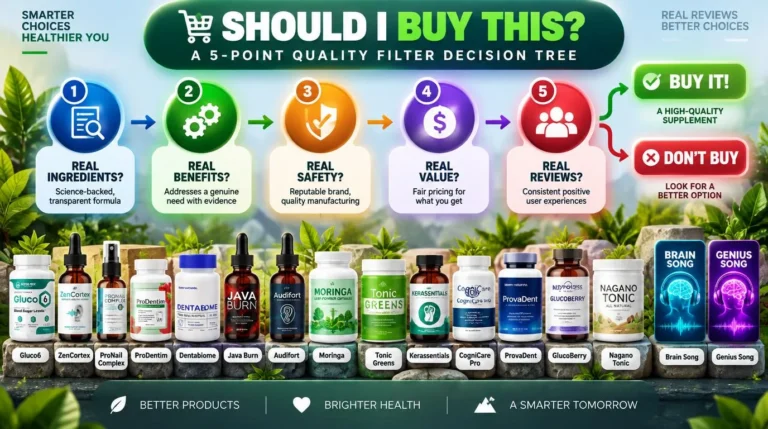
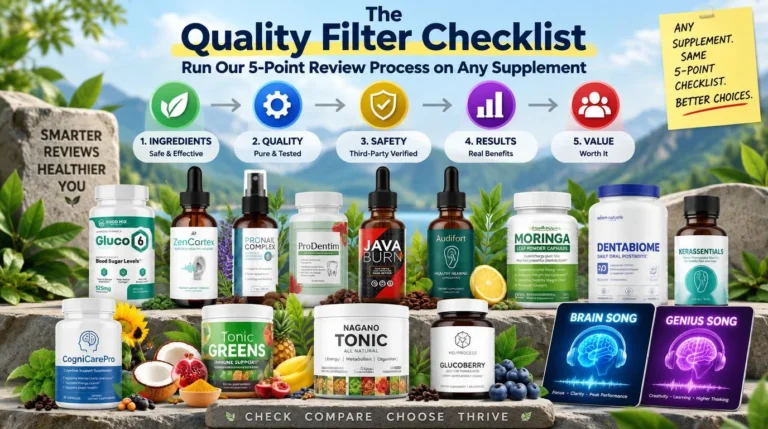
We are not doctors. We are independent researchers who spend dozens of hours analyzing peer-reviewed clinical trials so you don't have to. Every claim on this page is scored against our 5-Point Quality Filter and linked to its source.
Affiliate disclosure
DigiproSpark may earn a commission from purchases made through affiliate links on this page at no extra cost to you. It does not change our editorial opinions.

About the author
Satwasheel Gharde
Founder & Head of Research, DigiproSpark
Founder of Smiley Social and Head of Research at DigiproSpark. Personally researches and edits every supplement review here using the 5-Point Quality Filter: transcribing the printed Supplement Facts label, sourcing peer-reviewed human evidence (PubMed / PMC / NIH), and checking clinical dosing before any verdict. Our reviews are evidence-and-label analyses, not medical advice; material safety points (drug interactions, contraindications) are written conservatively and flagged for a qualified clinician or pharmacist to confirm. Conflict-of-interest: pages may contain affiliate links that can earn a commission, which never changes a rating. Corrections & editorial contact: smileysocial@digiprospark.com.
Author of 17 published product reviews on DigiproSpark, each researched under the 5-Point Quality Filter. See the methodology →
Last updated: August 10, 2026