Ingredient science
L-Carnitine for Fat Loss: The Real 37-Trial Meta-Analysis
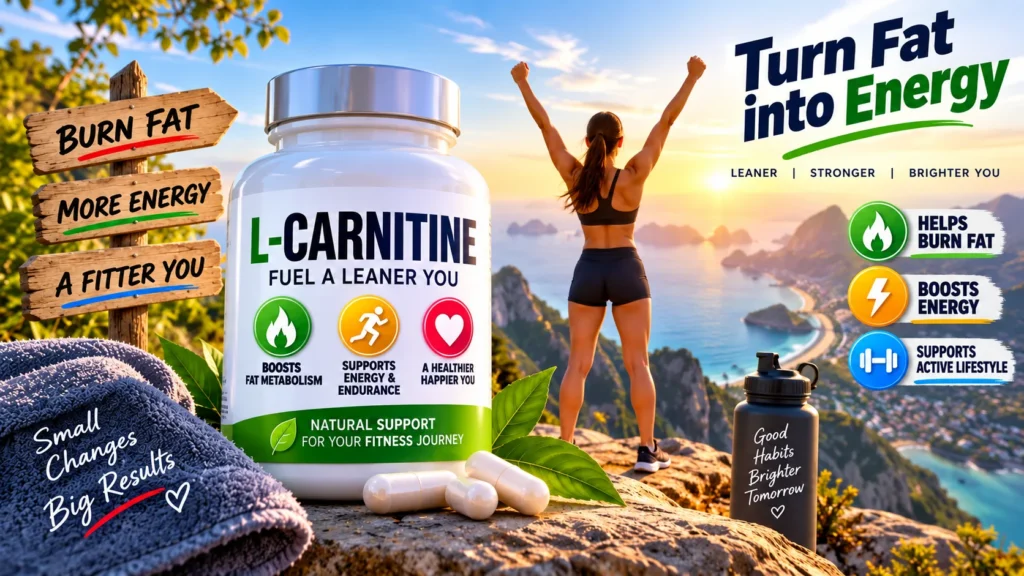
L-Carnitine is named in Java Burn's formula for its role in fatty-acid transport into cells for energy use. Of Java Burn's named actives, L-Carnitine carries the strongest individual evidence rating in our review: backed by a real, large meta-analysis rather than a single small trial. This page goes deeper on what that research actually found.
Disclosure: DigiproSpark may earn a commission if you buy through links on this page, at no extra cost to you. It does not affect our evaluation. Educational content only; not medical advice. See our affiliate disclosure and medical disclaimer.
Watch
Video Walkthrough
The evidence
What the 37-trial meta-analysis found
Why 37 trials is genuinely different from 1-2 trials
Most of the individual ingredients across the products we review carry evidence from a small handful of trials, sometimes just one. A meta-analysis built on 37 independent randomized controlled trials is a meaningfully more reliable form of evidence: it's far less likely that the pooled result is an artifact of one unusual study, and consistent findings across many independent research groups and populations is closer to what "well-established" actually looks like in nutrition science. That's the specific reason L-carnitine earns Java Burn's only ★★★ (Strong) rating rather than ★★☆ (Moderate).
Keeping the effect size honest: 1.21kg is real, but modest
A meaningfully more reliable meta-analysis is not the same as a large effect. 1.21kg (about 2.7 pounds) average greater weight reduction versus control, at studied doses around 2 grams/day, over the trial durations studied, is a real, statistically supported effect: but it's a modest one, not the dramatic transformation weight-loss marketing often implies. It's best understood as a genuine, evidence-backed nudge that works alongside diet and exercise, not a replacement for either. See the NIH ODS carnitine fact sheet for dosing and adverse-effect background.
Where this leaves a product like Java Burn
L-Carnitine is genuinely the best-evidenced named active in Java Burn's formula: but the studies behind that 1.21kg figure used a specific dose (roughly 2 grams/day), and Java Burn keeps its actives inside an undisclosed proprietary blend. See our full Java Burn review for the complete Trust Score reasoning: strong ingredient-level evidence for L-carnitine specifically, undermined by the same dose-transparency gap that limits every ingredient in the blend.
Enjoying our content? Add us as a preferred source on Google.
Add us as a preferred source on GoogleDisclosures
Medical disclaimer
This content is for educational purposes only and is not medical advice. It has not been evaluated by the FDA and is not intended to diagnose, treat, cure or prevent any disease. Consult a qualified healthcare professional before starting any supplement.
Who wrote this
We are not doctors. We are independent researchers who spend dozens of hours analyzing peer-reviewed clinical trials so you don't have to. Every claim on this page is scored against our 5-Point Quality Filter and linked to its source.
Affiliate disclosure
DigiproSpark may earn a commission from purchases made through affiliate links on this page at no extra cost to you. It does not change our editorial opinions.

About the author
Satwasheel Gharde
Founder & Head of Research, DigiproSpark
Founder of Smiley Social and Head of Research at DigiproSpark. Personally researches and edits every supplement review here using the 5-Point Quality Filter: transcribing the printed Supplement Facts label, sourcing peer-reviewed human evidence (PubMed / PMC / NIH), and checking clinical dosing before any verdict. Our reviews are evidence-and-label analyses, not medical advice; material safety points (drug interactions, contraindications) are written conservatively and flagged for a qualified clinician or pharmacist to confirm. Conflict-of-interest: pages may contain affiliate links that can earn a commission, which never changes a rating. Corrections & editorial contact: smileysocial@digiprospark.com.
Author of 17 published product reviews on DigiproSpark, each researched under the 5-Point Quality Filter. See the methodology →
Last updated: August 2, 2026