Ingredient science
Gymnema Sylvestre: The Real Evidence Is Blood Sugar, Not “Nerve Support”
Gymnema Sylvestre is a real, well-studied herbal ingredient: but what it's actually studied for and what some products market it for aren't always the same thing. We found this exact mismatch while researching ZenCortex, which markets Gymnema as part of a “neuroprotective, nerve-support” blend for hearing and brain health. Here's what the real clinical evidence actually shows.
Disclosure: DigiproSpark may earn a commission if you buy through links on this page, at no extra cost to you. It does not affect our evaluation. Educational content only; not medical advice. See our affiliate disclosure and medical disclaimer.
Watch
Video Walkthrough
The evidence
What the Research Shows
What Gymnema Sylvestre Is Actually Studied For
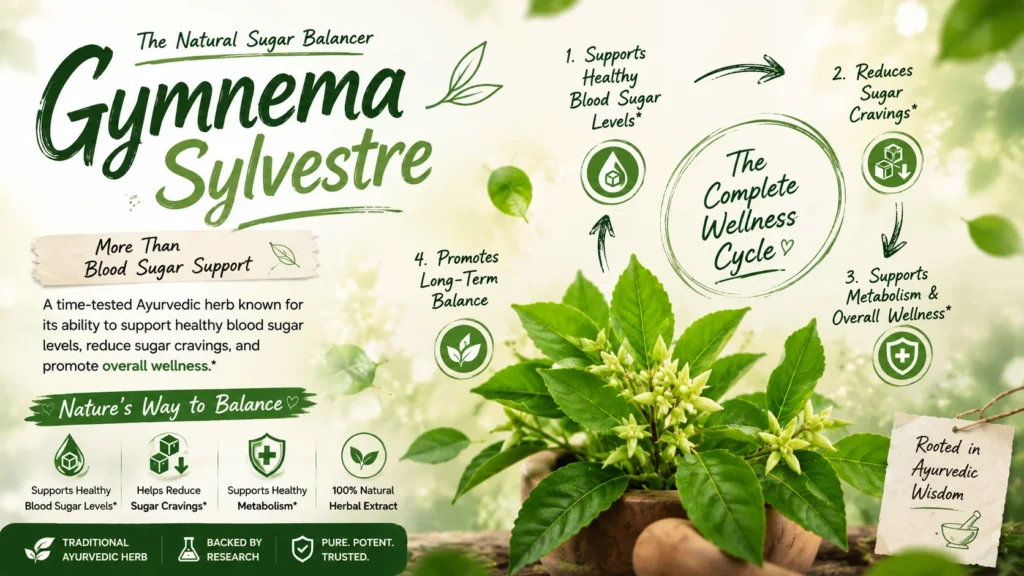
Gymnema Sylvestre is an Indian herb whose name translates roughly to “sugar destroyer” in Hindi: a reference to its most consistently studied real effect: gymnemic acids, the plant's active compounds, appear to reduce sugar absorption in the gut and support healthy insulin function. This is well-established enough that it's a common ingredient in blood-sugar-focused supplements, including Gluco6, which cites the same meta-analysis for the same reason. The evidence base is real but not perfect: the pooled data mostly reflects before-and-after comparisons within study groups rather than large, rigorously controlled trials against a placebo, and research gaps remain around standardized dosing and long-term safety data.
The Marketing-vs-Evidence Gap in ZenCortex Specifically
ZenCortex markets its full ingredient blend, including Gymnema Sylvestre, as “neuroprotective” and supportive of “healthy nerve function” for hearing and brain health. We searched specifically for human trial evidence connecting Gymnema Sylvestre to hearing outcomes, tinnitus, or nerve protection, and found none. This doesn't mean Gymnema Sylvestre is a bad or unsafe ingredient, its real evidence base for blood sugar support is genuinely solid, but it does mean the specific claim ZenCortex is using it for isn't backed by the research that actually exists on this ingredient. This is the same pattern our full ZenCortex review found across several of its named ingredients: individually real, but reframed for a health claim their own research doesn't directly support.
Where This Applies to ZenCortex and Blood-Sugar Products
If you're specifically interested in Gymnema Sylvestre for its real, evidence-backed use, a dedicated blood-sugar product like Gluco6 or GlucoBerry is a more direct match for the actual research than a brain/hearing formula like ZenCortex, though both Gluco6 and GlucoBerry carry their own separate transparency and evidence caveats, covered in their full reviews. If you're considering ZenCortex specifically for hearing or tinnitus, see our full tinnitus clinical-guidelines breakdown, which covers why no current supplement, including ZenCortex, clears the evidence bar for that specific claim.
Enjoying our content? Add us as a preferred source on Google.
Add us as a preferred source on GoogleDisclosures
Medical disclaimer
This content is for educational purposes only and is not medical advice. It has not been evaluated by the FDA and is not intended to diagnose, treat, cure or prevent any disease. Consult a qualified healthcare professional before starting any supplement.
Who wrote this
We are not doctors. We are independent researchers who spend dozens of hours analyzing peer-reviewed clinical trials so you don't have to. Every claim on this page is scored against our 5-Point Quality Filter and linked to its source.
Affiliate disclosure
DigiproSpark may earn a commission from purchases made through affiliate links on this page at no extra cost to you. It does not change our editorial opinions.

About the author
Satwasheel Gharde
Founder & Head of Research, DigiproSpark
Founder of Smiley Social and Head of Research at DigiproSpark. Personally researches and edits every supplement review here using the 5-Point Quality Filter: transcribing the printed Supplement Facts label, sourcing peer-reviewed human evidence (PubMed / PMC / NIH), and checking clinical dosing before any verdict. Our reviews are evidence-and-label analyses, not medical advice; material safety points (drug interactions, contraindications) are written conservatively and flagged for a qualified clinician or pharmacist to confirm. Conflict-of-interest: pages may contain affiliate links that can earn a commission, which never changes a rating. Corrections & editorial contact: smileysocial@digiprospark.com.
Author of 17 published product reviews on DigiproSpark, each researched under the 5-Point Quality Filter. See the methodology →
Last updated: August 2, 2026