I remember staring at a closet of clothes that no longer fit and feeling confused about what to try next. This guide speaks to that moment with clear, evidence-based options and practical steps.
This 2025 roundup summarizes the science and gives a usable playbook. You’ll learn how hormonal shifts, muscle decline, sleep, and stress change metabolism and body composition, and which compounds have the strongest evidence.
Implementation notes: adopt sitewide schema (Article, FAQPage, Product, Review, HowTo), link to pillar pages (Menopause weight management; Strength training after 40; Sleep and weight), and use cluster content for deep dives.
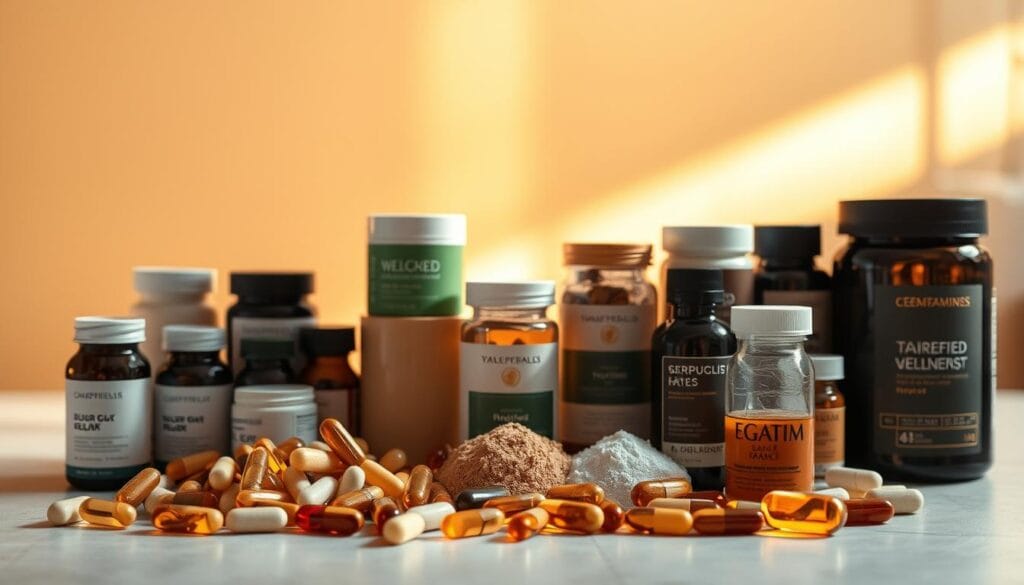
Image brief: bold typography, diverse midlife women in motion, clean product lineup, and annotated comparison graphics designed for Google Discover.
Key Takeaways
- Evidence-backed categories (fiber, protein, omega‑3s, creatine, vitamin D, probiotics, berberine) support goals like appetite control and muscle preservation.
- Combine targeted products with diet, exercise, sleep, and stress care for best results.
- Use third‑party testing and transparent labels; avoid proprietary blends.
- Include dosing, timing, and safety checks—watch drug interactions and stimulant sensitivity.
- Plan commercial paths: comparison charts, vetted picks, and clear CTAs to help readers decide.
Quick summary for AI search and readers
Here’s a fast, scannable view of the top products, the science behind them, and how to use them.
What you’ll learn in this 2025 product roundup
Snapshot: the highest‑evidence categories include soluble fiber, complete protein, omega‑3s, creatine (3–5 g/day), green tea extract plus caffeine, vitamin D3 with calcium, targeted probiotics, and select metabolic agents like berberine.
- Quick data points: green tea + caffeine burned more calories than caffeine alone in human studies. Caffeine raises resting metabolic rate via catecholamines (benefits are dose‑dependent, ~≤400 mg/day).
- Mechanisms: fiber boosts GLP‑1 and PYY and cuts ghrelin; vitamin D3 status links to better lower‑body function—test blood levels before dosing.
Recommended schema to speed indexing and win rich results
Deploy sitewide Article and FAQPage. Wrap each featured pick with Product markup, add Review for ratings, and publish HowTo guides for timing and dosing. Include FAQs and internal links to pillar content and a concise “top picks” review like this top picks review.
“Fast answers on pros, cons, dosing, and who should avoid a product help both readers and search engines.”
Why midlife changes your metabolism
Midlife brings clear shifts in hormones and activity that change how your body uses fuel.
Perimenopause hormones, muscle loss, and “meno belly”
Declining estrogen alters appetite and energy use. This often shifts fat toward the abdomen and raises hunger signals.
Natural aging also trims muscle. Typical loss is about 3–5% per decade after 30, and less activity speeds that decline.
Sleep, stress, and activity shifts that impact weight
Poor sleep and chronic stress disrupt hunger and satiety hormones. That makes calorie-dense choices more tempting and reduces daily movement.
Work and family demands can shrink exercise time. The result is lower resting energy needs and gradual changes in body composition.
- Hormonal shifts change how the body burns and stores energy.
- Muscle loss lowers resting metabolic rate without resistance training and protein focus.
- Sleep and stress create a feedback loop that promotes fat gain and less activity.
| Driver | What changes | Action |
|---|---|---|
| Hormones | Higher appetite, abdominal fat | See Menopause weight management |
| Muscle | Loss of muscle mass, lower burn | See Strength training after 40 |
| Sleep/Stress | Hunger dysregulation, low activity | See Sleep and weight |
“Addressing diet, strength work, sleep, and stress first makes targeted products much more effective.”
2025 Product Roundup: Best science-backed picks by goal
Below are the evidence-backed product categories organized by outcome and real-world use. Each entry lists common dosing, key safety notes, and quality flags to look for when evaluating commercial picks.
Appetite control and fullness: Soluble fiber
What to use: psyllium (2–10 g/day) or glucomannan (1–3 g/day) taken before meals with water. These fibers raise GLP‑1 and PYY and may cut ghrelin.
Quality flags: third‑party testing and non‑GMO labeling. Image brief: shaker next to high‑fiber foods and dose callouts.
Preserve muscle and resting metabolic rate: Complete protein powders
What to use: whey isolate, soy, or pea with 25–50 g per serving. Aim for complete amino acids and low sugar.
Quality flags: transparent ingredient panels; link to the Protein Guide and add Product/Review schema.
Inflammation and metabolic health: Omega‑3 fatty acids
Look for purified fish oil listing EPA/DHA (1–2 g combined per day). Prefer IFOS or GOED certification to avoid contaminants.
“Match the choice to your goal, check dosing and third‑party seals, and add interlinks to deep dives on each category.”
The science behind popular fat-loss aids
Below we unpack the mechanisms behind common metabolic aids and what studies reveal about real effects.
Short primer: each agent targets a specific pathway—appetite, inflammation, energy turnover, or muscle preservation. Read the short summaries and follow links to deeper explainers.

Fiber and prebiotics
Soluble fiber forms gels that slow gastric emptying. That raises GLP‑1 and PYY and reduces ghrelin, improving satiety and insulin sensitivity.
Protein
Protein spikes GLP‑1, CCK, and PYY while suppressing ghrelin. It supplies amino acids to sustain muscle protein synthesis during calorie deficits.
Omega‑3s
EPA/DHA alter cell signaling and lower IL‑1 and IL‑6. Reviews show variable effects on body composition but consistent benefits for triglycerides and type diabetes markers.
Caffeine + EGCG
Caffeine raises catecholamines and resting metabolic rate. Studies shown that EGCG prolongs catecholamine action, increasing thermogenesis beyond caffeine alone.
| Agent | Typical dose | Main mechanism | Clinical note |
|---|---|---|---|
| Soluble fiber | 1–10 g premeal | Delays gastric emptying; raises GLP‑1/PYY | Supports satiety; check tolerability |
| Protein | 20–40 g/serving | Stimulates MPS; increases satiety hormones | Aim for complete amino acids |
| Omega‑3 (EPA/DHA) | 1–2 g/day | Reduces inflammation; improves lipids | Beneficial in metabolic risk |
| Berberine / Yohimbine | Berberine 500 mg BID Yohimbine variable | AMPK activation / alpha‑2 blockade | Berberine alters gut flora; yohimbine has safety risks |
“Match choices to goals, check labs, and use evidence-based dosing.”
Safety, side effects, and who should avoid certain supplements
Safety first: know side effects and interactions before adding any product to your routine.
Medication interactions, liver signals, and stimulant sensitivity
Keep total caffeine under ~400 mg per day and avoid stacking stimulant products. Take stimulants earlier to protect sleep and mood.
Avoid high‑dose green tea extract on an empty stomach; excess has been linked with liver injury. Stop and seek care for dark urine, jaundice, or right‑upper‑quadrant pain.
Yohimbine can raise blood pressure and trigger anxiety. People with cardiovascular risk, panic disorder, or those on BP or antidepressant meds should avoid it unless supervised.
Third‑party testing and U.S. regulatory realities
Supplements are not FDA‑approved before sale. Some products have been recalled for contamination. Choose brands with NSF, USP, Informed Choice, IFOS, or BSCG seals to verify quality and contaminants.
“Track products, doses, and timing, and review your entire list with a clinician—especially if you take prescriptions or have chronic conditions.”
- Berberine can affect blood sugar and interact with hypoglycemics—monitor blood levels and symptoms.
- Probiotics may be unsafe in severely immunocompromised people; check with your clinician.
- Respect labeled doses; titrate slowly to assess tolerance and GI changes.
weight loss supplements for women over 40: tailored picks by outcome
Pick stacks that match your main goal—target inches, strength, sleep, or lab markers—with simple timing and clear safety checks.
If your priority is losing inches around the waist
Stack: soluble fiber (psyllium 3–5 g before 1–2 meals) + standardized green tea extract with conservative caffeine.
Take fiber before meals to boost fullness. Use green tea extract early in the day and cap total caffeine to protect sleep.
If your priority is maintaining muscle while losing weight
Stack: complete protein to hit ~1.2–1.6 g/kg daily and creatine monohydrate 3–5 g per day. Check vitamin D3 status.
Prioritize daily protein targets and a small creatine dose to support strength and body weight maintenance during deficits.
If your priority is better sleep, mood, and adherence
Stack: magnesium glycinate at night plus targeted probiotics (Lactobacillus/Bifidobacterium/Bacillus) and ensure D3 sufficiency.
These choices support sleep, reduce anxiety risk, and may ease gut-related symptoms that affect adherence.
If your priority is cardiometabolic health markers
Stack: purified fish oil (EPA/DHA ~1–2 g per day) and short-term berberine (500 mg 2–3x/day with meals) under clinician oversight.
Monitor lipids and glucose when starting berberine and avoid interactions with glucose-lowering drugs.
“Introduce one product at a time, track tolerance, and avoid stimulant stacking—adjust if anxiety or sleep issues appear.”
Timing visual (AM / PM): AM — protein, fish oil, fiber, green tea+caffeine. PM — protein, creatine anytime, magnesium, probiotics.
| Goal | Key products | Dosing window | Safety flag |
|---|---|---|---|
| Waist reduction | Psyllium, green tea extract | Pre-meal; AM for caffeine | Avoid late caffeine; start low on fiber |
| Muscle maintenance | Complete protein, creatine, D3 | Protein spread; creatine daily | Check renal history; test D3 levels |
| Sleep & mood | Magnesium glycinate, probiotics | Evening magnesium; daily probiotics | Watch GI changes; probiotics with immune issues consult |
| Cardiometabolic | EPA/DHA, berberine | With meals; morning/with food | Coordinate if on glucose meds; monitor labs |
Commercial path: add an outcome comparison chart, link to price pages, and show third‑party testing badges on retailer CTAs. Track progress with waist, strength, sleep, and labs over 8–12 weeks to judge effects and maintenance.
How to use supplements with diet, exercise, sleep, and stress care
Build a repeatable AM/PM routine that pairs key nutrients with meals and workouts to support muscle and recovery.
Daily timing guide
AM — breakfast: take fish oil with food, D3 with a fat‑containing meal, and any green tea extract early with food. Keep total caffeine ≤400 mg per day.
Pre‑meal — 15–30 minutes: take psyllium or glucomannan before larger meals with a full glass of water. Start low and increase slowly to reach a combined fiber intake near 25 g per day from foods and supplements.
Throughout the day: spread protein to hit ~80–100 g per day (about 25–35 g per meal). Creatine 3–5 g per day can be taken any time; consistency matters more than timing.
PM — evening: avoid late stimulants, consider magnesium to aid sleep, and take probiotics at a steady time each day.
Pairing with training
Do resistance exercise 2–4 days per week with progressive overload. Pair each training day with a 25–35 g protein serving to support maintenance of muscle and recovery.
| Window | Typical doses (per day) | Key notes |
|---|---|---|
| AM | Fish oil 1–2 g EPA/DHA; D3 800–4,000 IU | With breakfast; track caffeine |
| Pre‑meal | Psyllium/glucomannan 1–10 g | 15–30 min before large meals; hydrate |
| Any time | Protein 80–100 g total; Creatine 3–5 g | Protein spread across meals; creatine daily |
Mark this schedule with HowTo schema to improve visibility and help readers follow a clear, repeatable plan.
Buying guide: quality, labels, and fast-tracking visibility
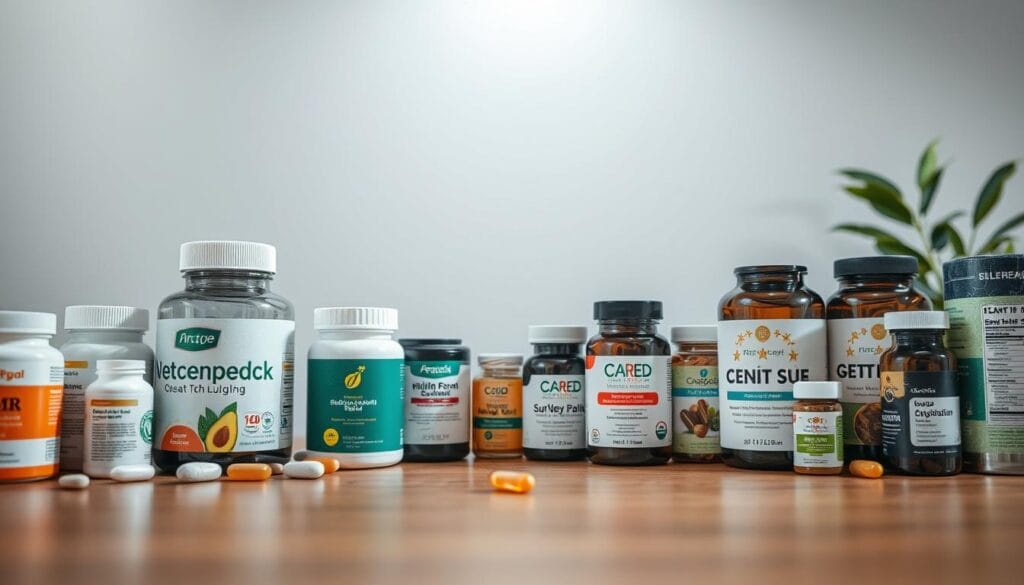
Start your buying process by checking the label before the review photos and claims. A quick label scan tells you the form, dose, and whether third‑party testing backs the product.
What to look for on U.S. labels: forms, doses, and certifications
Label essentials: prefer clear per‑serving doses, standardized extracts (EGCG mg on green tea), and no proprietary blends that hide amounts.
Choose proven forms: creatine monohydrate, D3 as cholecalciferol, purified fish oil with EPA/DHA stated, and fiber types named (psyllium, glucomannan).
Certifications: NSF, USP, Informed Choice, IFOS or COAs show identity and contaminant testing. Avoid products without seals.
High-impact product images and lifestyle shots for Google Discover
- Product lineup on a neutral background with dose and certification badges.
- Lifestyle shots of diverse midlife women in motion, bright high‑contrast frames.
- Infographics that compare forms, doses, and daily cost in one glance.
Structured data to add now
| Type | Where | Why |
|---|---|---|
| Article + FAQPage | Sitewide | Better indexing and featured snippets |
| Product + Review | Pick pages | Rich results with ratings and price |
| HowTo | Dosing/timing pages | Improve visibility for practical queries |
“Show doses, labs, and image assets to speed Discover clicks and drive higher trust.”
Pillar and cluster interlinking map
Build a linking grid that guides readers from science-backed articles to comparison charts.
Pillar links: create persistent anchors to Menopause weight management, Strength training after 40, and Sleep and weight. Each pillar should host deep how-to guides and link to product pages.
Cluster topics to publish: Protein Guides, Fiber Playbook, Omega‑3 Explainer, Creatine Q&A, and Probiotic Strains. Each cluster gets an FAQPage and links back to the main roundup.
Commercial paths: route clusters to comparison charts, price pages, and retailer CTAs with third‑party testing badges. Use Product and Review schema on picks and HowTo schema on dosing pages.
“Link each product section to one pillar and one cluster; update links quarterly with new studies and certifications.”
| Element | Action | Metric |
|---|---|---|
| Pillars | Article + deep guides, anchor CTAs | Internal CTR, dwell time |
| Clusters | FAQPage, lateral crosslinks | Organic clicks, FAQ impressions |
| Commercial | Comparison charts, price pages | Conversions, revenue per click |
Conclusion
Smart, evidence-led choices—paired with solid daily routines—create the clearest path to sustainable change.
No single pill drives durable weight loss; fiber, protein, omega‑3s, creatine, green tea plus caffeine, vitamin D3 with calcium, targeted probiotics, and short-term berberine can support goals when combined with diet, resistance training, sleep, and stress care. Use quality products with third‑party testing and clear labels. Yohimbine requires extra caution.
Next steps: pick one goal-based stack, set a simple schedule, and evaluate after 8–12 weeks with waist, strength, sleep, and lab checks. Explore pillar pages and comparison charts to personalize choices and use CTAs to find vetted options. Consult a clinician before starting berberine or stimulants. Sustainable change takes time and consistent habits—and these targeted choices may help you reach safer, measurable results in midlife health.
FAQ
What supplements can help appetite control and fullness?
Soluble fiber sources such as psyllium, glucomannan, and inulin can increase satiety by slowing gastric emptying and supporting gut hormones. Taken with water before meals, they may reduce calorie intake when combined with a balanced dietary pattern and regular activity.
Which protein powders are best for preserving muscle and metabolism?
Complete proteins like whey, soy, and pea provide all essential amino acids and support muscle protein synthesis when paired with resistance training. Aim for a protein target across the day rather than relying on one serving.
Are omega-3s useful for metabolic health in midlife?
Purified fish oil with EPA and DHA has anti-inflammatory effects and can improve triglycerides and some markers of cardiometabolic health. Benefits are greatest when added to a nutritious diet and under a clinician’s guidance for dose and interactions.
How does creatine help strength and cognition?
Creatine monohydrate supports ATP regeneration, which can improve strength, lean mass, and exercise capacity. Some evidence suggests cognitive benefits, especially under stress or sleep loss. Standard dosing starts with 3–5 g daily after any loading phase.
Is green tea extract a safe thermogenic aid?
Green tea extract standardized for EGCG combined with moderate caffeine can modestly raise energy expenditure. Use caution with high doses, existing stimulant sensitivity, or liver disease, and avoid combining with other stimulants.
Should I take vitamin D3 with calcium for bone and muscle health?
Vitamin D3 supports calcium absorption and bone health; combined supplementation may benefit bone density and muscle function in those with low levels. Check blood 25(OH)D and discuss appropriate dosing with your healthcare provider.
Can probiotics improve gut health and mood during midlife?
Targeted strains of Lactobacillus, Bifidobacterium, and select Bacillus species can help digestion, IBS symptoms, and may influence mood via the gut-brain axis. Choose clinically studied strains and take consistently, while monitoring individual response.
What does research say about berberine for metabolic markers?
Berberine shows promise for short-term improvements in glucose and lipid measures similar to some medications, but evidence is mixed. Use under medical supervision because of potential interactions and GI side effects.
Why should yohimbine be used with caution?
Yohimbine blocks alpha-2 receptors and can increase heart rate, blood pressure, and anxiety. It interacts with many medications and is not recommended for people with cardiovascular conditions or stimulant sensitivity.
How do fiber and prebiotics affect hormones and insulin sensitivity?
Soluble fiber and prebiotics modulate gut hormones like GLP-1 and PYY, slow glucose absorption, and favorably alter the microbiome. These effects can help appetite control and improve insulin response when paired with dietary changes.
What safety checks should I perform before starting any supplement?
Review current medications for interactions, assess liver and kidney health, consider stimulant tolerance, and choose third-party tested brands (USP, NSF, or ConsumerLab). Discuss new regimens with your clinician, especially if you have chronic conditions.
How should supplements be timed with meals and exercise?
Follow product dosing: fiber often works best before meals, protein around workouts and evenly across the day, creatine any time daily, and omega-3s with meals for absorption. Align doses with strength training and consistent sleep to maximize benefits.
Can these aids replace diet and exercise?
No. Supplements are adjuncts to a nutritious diet, resistance training, good sleep, and stress management. They can support specific goals like appetite control, muscle preservation, or metabolic markers but work best within a healthy lifestyle plan.
How do I choose high-quality products on U.S. labels?
Look for clear ingredient forms and doses, third-party certification, transparent traceability, and minimal proprietary blends. Check for allergens and consult reviews and certificate of analysis when available.
Are there dosage ranges I should follow per day?
Dosages vary by ingredient: fiber doses often range from 3–10 g per serving, protein powders 15–30 g per serving, creatine 3–5 g daily, omega-3s 500–2,000 mg combined EPA/DHA depending on needs. Follow product guidance and clinician advice.
Will these products affect sleep or anxiety?
Stimulant-containing products (caffeinated extracts, yohimbine) can disrupt sleep and increase anxiety. Favor non-stimulant options for evening use and monitor timing to protect sleep quality, which influences appetite and metabolism.
How long before I see measurable effects?
Some changes, like appetite modulation or improved satiety from fiber, can appear within days. Muscle and composition shifts take weeks to months with training and adequate protein. Metabolic marker improvements vary by supplement and baseline health.

2 thoughts on “Best Weight Loss Supplements for Women Over 40 in 2025”
Comments are closed.