
You might have stood in an aisle, palms full of tubs, feeling the pressure to pick the right product for your goals. That moment matters because your choice affects muscle recovery, daily nutrition, and how you feel after training.
This introduction gives you a clear, human start: we compare whey, casein, and plant blends, highlight top brands like Transparent Labs and Optimum Nutrition, and explain certifications that keep you safe.
Expect fast answers on which option suits lactose sensitivity, which formulas digest quickly after intense sessions, and how pea or mixed plant blends stack up for essential amino coverage.
Key Takeaways
- You’ll get a straightforward overview to match a product to your goals for muscle, recovery, and health.
- We compare servings, sweeteners, mixability, and third‑party seals so you can shop with confidence.
- Find which options work for lactose sensitivity and which hydrolyzed forms aid fast digestion.
- Plant-based readers learn about pea, blends, texture, and taste trade-offs.
- Links to deeper pillars and reviews let you jump to detailed product and routine advice.
Your 2025 Protein Powder Guide at a Glance: Commercial Picks, Safety, and Smart Shopping
This quick snapshot helps you sort top commercial picks, lab testing, and shopping moves so you can match a product to your recovery and daily nutrition goals.
What to scan first: compare grams per serving, flavor options, and third‑party seals. Then check price per serving to shortlist the best protein for your needs.
How this roundup helps you choose the best protein for muscle, recovery, and everyday health
Use our linked pillar on Best Protein Powders 2025 for curated rankings and fast deal checks during holiday sales.
For basics, visit the cluster Beginner’s guide to protein supplements to learn when shakes fit your diet versus whole foods.
“Prioritize third‑party testing and clear allergen labels to reduce risk and find products that match what the label promises.”
Quick shopping checklist
- Compare grams per serving, taste, and mixability in reviews.
- Look for Informed Choice, NSF, or Labdoor seals before you buy.
- Watch Black Friday/Cyber Week: Legion BOGO offers and Kaged discounts often cut price dramatically.
- For recovery, choose fast‑digesting whey isolate or hydrolyzed forms; for dairy‑free, shortlist pea‑forward blends.
| Brand | Strength | Typical Benefit | Deal Notes |
|---|---|---|---|
| Transparent Labs | High isolate content | Clean label, solid amino profile | Frequent list mentions; quality focus |
| Legion | Whey isolate options | Great taste and transparency | BOGO up to 75% off during Black Friday |
| Kaged | Isolate & clean formulas | Good for sensitive diets | 25% off with code BLACKOUT through 12/1 |
| Optimum Nutrition Gold Standard | Balanced concentrate/isolate | Budget-friendly, wide flavor range | Often the best price per serving |
protein powder guide 2025: What to Look For Before You Buy
Choosing the right supplement starts with three checks: type, amount per serving, and what’s listed on the label.
Protein type and protein per scoop
Start with the source. Whey and casein are complete choices with all essential amino acids, while plant blends (pea, soy, mixed) can match those benefits when combined.
Look for 22–28 g per serving as a common range. Leucine content matters most for muscle response.
Ingredients and additives
Read the ingredient list for short, recognizable items. Prefer stevia or monk fruit over long artificial sweetener lists.
Watch fillers and additives like excessive gums or carrageenan; they can affect digestion and texture.
Third‑party testing and label transparency
Verify seals such as Informed Choice, Informed Sport, NSF, or Labdoor to confirm what the label claims.
“Third‑party testing reduces risk and lets you trust grams and contaminant screening.”
- Check allergen statements; choose whey isolate or certified lactose‑free if needed.
- For vegan options, favor multi‑source blends to improve amino completeness.
- Compare protein per serving against calories and sugar to keep macros on target.
| Certification | What it checks | Why it matters |
|---|---|---|
| Informed Choice | Banned substances, label accuracy | Good for athletes |
| NSF | Contaminant screening | Widely trusted |
| Labdoor | Independent lab analysis | Shows real content vs label |
Whey Protein Explained: Concentrate, Isolate, and Hydrolyzed Compared
Whey comes in forms that change digestion, taste, and how quickly your muscles see amino fuel.
Whey concentrate is a budget-friendly option. It contains more lactose and a fuller texture, so it suits you if you tolerate milk and want a thicker shake.
Whey isolate removes most lactose and trims carbs and fat. That makes isolate a better choice for lactose-sensitive users and anyone who wants higher protein per serving with leaner macros.
When isolate beats concentrate for lactose sensitivity
Isolate typically causes less bloating and faster comfort after drinking. Check labels and certifications to confirm low lactose content.
Hydrolyzed whey for faster recovery
Hydrolyzed forms are partially broken into peptides. They act like pre-digested proteins, so absorption is quicker and they may ease digestion after heavy sessions.
“Dymatize ISO100 blends isolate with hydrolyzed whey and is praised for taste and fast mixing.”
- Expect isolates and hydrolysates to mix thinner than concentrates.
- Some hydrolysates can taste slightly bitter; check flavor reviews.
- Transparent Labs and Legion emphasize clean labels and third-party testing.
| Form | Lactose | Best for | Notes |
|---|---|---|---|
| Concentrate | Higher | Everyday shakes, budget | Thicker texture, fuller taste |
| Isolate | Low | Lactose-sensitive, lean macros | Faster digestion, cleaner label options |
| Hydrolyzed | Very low | Post-workout recovery | Pre-digested peptides, rapid uptake |
Next step: use our cluster on Types of whey protein and brand hubs for Transparent Labs, Legion, Dymatize, and Optimum Nutrition to compare macros, flavors, and pricing before you buy.
Casein Protein: Slow‑Release Support for Overnight Recovery
Casein acts like a slow-release reservoir of amino acids that feeds muscles through the night.
Use casein before bed to support steady repair and wake feeling ready. It digests much slower than whey, so it supplies amino acids over several hours.
- Slow digestion makes casein ideal for overnight recovery and morning readiness.
- You’ll feel fuller longer, which can help control late-night hunger and support weight goals.
- Expect a thicker texture and creamier taste—many mix it with milk or blend with ice for a smoother shake.
- Casein works well in puddings or stirred into Greek yogurt for a dessert-like, high-protein snack.
- If you’re lactose sensitive, check labels; some forms may still cause discomfort versus whey isolate.
Pairing strategy: use fast-acting whey after workouts and reserve casein for nighttime to create round‑the‑clock recovery support. Check protein per serving versus calories to keep nutrition and weight plans aligned. For dosing and timing, follow our linked timing and pre/post‑workout resources to build a daily plan that fits your schedule.
| Feature | Casein | Best Use |
|---|---|---|
| Digestion rate | Slow release over hours | Before bed or between long fasts |
| Texture & taste | Thicker, creamier | Mix with milk or blend with ice |
| Satiety & weight | High fullness, helps control late hunger | When managing weight or late-night cravings |
| Lactose notes | May contain lactose | Read labels if sensitive |
“For steady overnight repair, a casein serving before sleep is a simple, effective habit.”
Plant‑Based Protein Powders: Pea, Soy, Pumpkin, and Blends
Many plant formulas now aim to close the amino gap by pairing complementary plant sources. Blends use pea, soy, and pumpkin seed to improve essential amino coverage so you get a more complete daily profile without dairy.
Combining pea with other plants raises limiting amino acids and supports recovery. Look for 20–25 g per scoop and minimal sugar. Prefer brands that publish third‑party testing to reduce heavy‑metal risk and ensure label accuracy.
Taste, texture, and mixing tips for smoothies and oatmeal
If you’re new to plant options, expect a slightly earthy taste. Chocolate or salted caramel flavors often mask it well.
For creamier results, blend with almond milk and ice or stir into warm oatmeal. Swolverine’s pea + pumpkin mix (25 g, 140 calories, stevia) mixes smoothly in water or milk alternatives and stays lactose‑free.
“Plant blends can match animal sources when formulas are smartly combined and third‑party tested.”
- Pea, soy, and pumpkin seeds are common staples; pea‑forward blends avoid soy if you need to.
- Compare protein per serving against calories and fats to match your macros.
- Sample small tubs first—flavor choices are narrower than many whey catalogs.
| Source | Typical Protein per Scoop | Mixability | Best Use |
|---|---|---|---|
| Pea | 20–25 g | Very good in smoothies | Post‑workout or daily shakes |
| Soy | 18–24 g | Good, can be creamy | Meal replacement blends |
| Pumpkin seed | 15–20 g | Fine when blended | Mixes for texture and minerals |
| Pea + Seed Blend | 20–25 g | Excellent, smooth texture | Smoothies, oatmeal, milk‑alternative shakes |
Next steps: See our best plant‑based picks for deeper comparisons and visit the safety pillar for heavy metals context before you buy.
Collagen and Other Alternatives: When They Make Sense
Collagen targets connective tissue more than muscle growth. Collagen peptides come from animal connective tissues and are geared toward joint comfort, skin elasticity, and stronger hair and nails.
Know the limits: collagen is not a complete protein, so it won’t match whey or smart plant blends for muscle recovery. Use it as a complementary choice when joint support or skin care matters.
- Collagen delivers targeted peptides that support joints, skin, hair, and nails.
- It is less effective for muscle synthesis than whey, soy, or pea mixes.
- Many unflavored forms mix invisibly into coffee, smoothies, or soups.
- Common servings range 10–20 g; they do not replace a full post-workout shake for recovery.
| Supplement | Main Benefit | Best Use |
|---|---|---|
| Collagen | Joint & skin support | Morning coffee or nightly tea habit |
| Complete proteins | Muscle recovery and growth | Post‑workout and meal replacement |
| Plant blends | Allergy-friendly amino profile | Daily shakes and dairy-free diets |
“Review sourcing and third‑party testing, and consult our ingredient and safety primers to see how collagen fits your routine.”
Practical tip: if you train hard, rely on complete proteins for recovery and add collagen for body wellness and skin health. Always scan labels for allergens and testing seals to protect your health.
Safety First: Heavy Metals, Lead, and How to Choose Safer Powders
Start your safety check by treating every tub as a lab report — scan for certificates, batch numbers, and recent test dates.
Consumer Reports has flagged elevated lead in some formulations, and plant-based options can show higher levels due to soil uptake. That doesn’t mean all plant choices are unsafe, but it does make testing and transparency essential for your health.
What third‑party testing reveals about plant vs dairy proteins
Third‑party seals like Informed Choice, Informed Sport, NSF, and Labdoor signal that brands submit products to independent checks. Transparent Labs and Legion publish testing and often show lot-specific certificates.
How to read certificates and brand disclosures
Look for COAs that list batch numbers, test dates, and analytes: lead, cadmium, arsenic, and mercury. Avoid vague “passed” claims; prefer reports from ISO 17025‑accredited labs you can verify.
“Prioritize brands with accessible COAs for each lot and clear lab partners to reduce risk.”
- Choose supplements with third‑party certification and easy-to-find COAs.
- Expect plant sources to require more screening because of soil uptake.
- Prefer products with few additives and low sugar to simplify your label review and reduce GI issues.
- If you use multiple daily servings, rotate trusted lines and check new tests often.
| What to check | Why it matters | Action |
|---|---|---|
| Batch COA | Shows exact heavy‑metal readings | Verify batch number and date |
| Accredited lab | Ensures testing standards | Confirm ISO 17025 status |
| Third‑party seal | Independent verification | Look for Informed Choice / NSF / Labdoor |
Use our pillar “Supplement safety and heavy metals” for step‑by‑step guidance on interpreting COAs and comparing safety across whey and plant options before you buy.
Taste, Flavors, and Mixability: Getting a Shake You’ll Actually Drink
Taste often decides whether a shake becomes part of your routine, so flavor and mixability matter as much as macros.
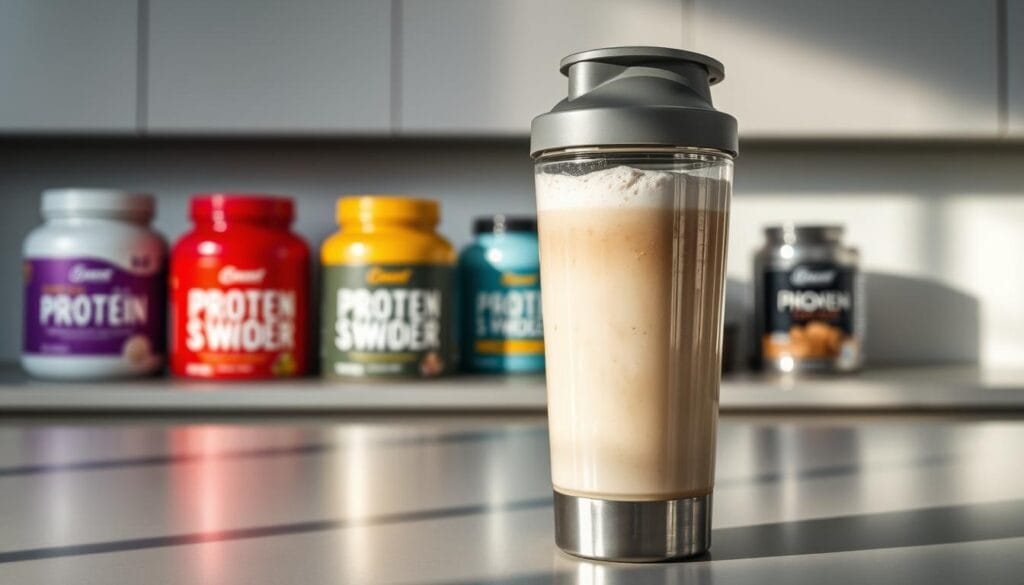
Sweeteners and aftertaste: natural options like stevia and monk fruit (used by Transparent Labs and Legion) keep sugar low and often feel more rounded. Brands that use sucralose or Ace‑K (Optimum Nutrition, Dymatize) can taste sweeter but sometimes feel thinner in water.
Water vs milk vs smoothies
Mix with cold water for speed. Add milk or dairy alternatives when you want creamier texture and fuller flavor.
If you prefer neutral taste, pick unflavored tubs and let fruit and spices carry the flavor in smoothies or oatmeal.
Mixability tips
- Read flavor notes and mixability feedback in our brand reviews before you buy—if you hate a taste, you won’t stick with it.
- Use a shaker ball or quick blend for silky texture; some isolates (Legion) clump without a blender.
- Dymatize ISO100 offers wide flavor variety and mixes well; Transparent Labs also blends smooth with water.
- Watch ingredient lists for gums and thickeners—these change mouthfeel and can affect sensitive stomachs.
“Start with a sample to test sweetness, aftertaste, and how it mixes in your favorite liquids.”
Best Overall Protein Picks for 2025
Below are three top picks that combine clean ingredient lists with strong third‑party checks and solid flavor options.
Transparent Labs 100% Grass‑Fed Whey Isolate
Why choose it: 28 g per scoop, ~130 calories, stevia‑sweetened, and Informed Choice certified for accuracy and purity.
Minimal additives and silky mixability make this one of the best options if you want a clean label and low lactose profile. Expect wide flavor choices and smooth blending in water or milk.
Optimum Nutrition Gold Standard 100% Whey
Why choose it: 24 g per scoop, ~120–130 calories, and Informed Choice certified.
The ON formula blends isolate, concentrate, and hydrolyzed whey for a reliable, budget‑friendly pick. It mixes thin in water but grows creamier with milk and offers an enormous flavor roster for variety seekers.
Dymatize ISO100 Hydrolyzed Whey Isolate
Why choose it: 25 g per scoop, ~110–120 calories, hydrolyzed plus isolate for fast uptake.
Dymatize is praised for mixability and post‑workout performance. The hydrolyzed peptides speed absorption and the flavor lineup includes playful, fruit‑forward options that mask bitterness well.
“Compare price per serving and certifications, then check brand pages for batch testing and current promotions before you buy.”
| Product | Typical Protein per Scoop | Sweetener | Best for |
|---|---|---|---|
| Transparent Labs Isolate | 28 g | Stevia | Clean label, low lactose |
| Optimum Nutrition Gold Standard | 24 g | Sucralose + Ace‑K | Value, flavor variety |
| Dymatize ISO100 Hydrolyzed | 25 g | Minimal added sugar | Fast post‑workout recovery |
- Label and testing: all three publish clear labels; check COAs and third‑party seals when you compare batches.
- Mixability & flavors: Transparent Labs and Dymatize mix very well in water; Optimum Nutrition shines when you want many flavor choices.
- Final pick: weigh price, servings, and certifications to match your routine and budget before adding a tub to cart.
Budget and Value: Top Low‑Cost Protein Powders Worth Your Money
Stretching your supplement dollars works best when you track cost per serving and favor tubs with clear labels.
Nutricost Whey Concentrate is a standout for value. It delivers 25 g of protein per scoop (some listings note 30 g), ~130–140 calories, and mixes easily. Sweetening uses sucralose, so vanilla reads like sweet skim milk; chocolate hides richness better.
Made in a GMP‑compliant, FDA‑registered facility, Nutricost can drop to about $0.87 per serving on 5‑lb tubs. That price is why many add it to a short list for sale checks.
- Per‑serving math: always compare 1.5 lb vs 5 lb—larger tubs often slash your price per scoop.
- Label review: check listed protein per serving, sweeteners, and any noted fillers or third‑party testing.
- Deals: watch Black Friday/Cyber Week and subscribe‑and‑save options for extra savings on Transparent Labs, Legion, and Kaged.
- Comfort: if lactose bothers you, consider an isolate when it hits sale price.
“Build a short list of two to three powders you like and buy the one with the best live deal.”
| Product | Protein per Serving | Calories | Price per Serving |
|---|---|---|---|
| Nutricost Whey Concentrate | 25 g | 130–140 | ~$0.87 (5‑lb) |
| Typical Isolate (sale) | 24–28 g | 110–130 | Varies, often higher than concentrate |
Goal‑Based Recommendations: Muscle, Weight Loss, and Recovery
Decide by goal, not by label. Match what you need each day: a meal‑style shake for weight loss or a fast‑absorbing formula after training for recovery.
Best for weight loss and meal replacement
Ka’Chava Superblend fits when you need a filling swap. It delivers ~25 g protein, ~240 calories, 6 g fiber, and 26 vitamins and minerals in a creamy plant blend.
Use it for morning meals or as a controlled midday swap to cut calories while keeping fullness and micronutrients high. Compare flavors and sweetener lists to keep sugar low.
Best for quick recovery
Dymatize ISO100 (25 g, hydrolyzed + isolate) and Transparent Labs Isolate (28 g) are top picks if you want rapid amino delivery and lean macros.
“Choose a fast‑digesting whey isolate or hydrolyzed option when immediate post‑workout repair is your priority.”
- For loss and diet goals, favor meal‑replacement blends in the morning and lean shakes after training.
- If you prefer plants, pick a complete blend and add fruits to smoothies for extra fiber and satiety.
- Track protein per serving against your daily target to avoid under‑fueling and stalled progress.
| Goal | Example | Why it works |
|---|---|---|
| Weight loss / meal swap | Ka’Chava Superblend | Protein + fiber + vitamins; creamy, satiating |
| Quick recovery | Dymatize ISO100, Transparent Labs Isolate | Hydrolyzed/isolate forms for fast amino delivery |
| Plant preference | Pea/seed blends | Complete amino coverage when combined; blends suit smoothies |
Further reading: use our clusters “Best protein for weight loss” and “Post‑workout nutrition” to build a weekly plan with recipes and timing tips that fit your routine.
Best Plant‑Based Protein Powders
Choosing a plant blend means balancing taste, texture, and real amino coverage so you actually use it every day.

Swolverine Plant Protein: pea + pumpkin blend
Swolverine’s pea + pumpkin formula delivers 25 g per scoop and about 140 calories. It uses stevia, mixes smoothly, and has a thicker, satisfying mouthfeel that many users prefer.
Flavors are limited but highly rated; salted caramel and chocolate stand out. If you want a fuller texture, mix with almond milk or add a little extra water to thin it.
Soy and pea considerations for amino profile and digestion
If soy suits you, combining soy and pea can improve amino balance and ease digestion. Compare proteins by grams per scoop, carbs, fats, and sweetener to match your taste and goals.
- Blend with fruit or spices for better taste and creaminess.
- Sample small tubs before committing—plant lists often have fewer flavors than whey leaders.
- Confirm third‑party testing and safety disclosures if you use multiple servings daily; see our plant‑based safety content and brand reviews for batch COAs and real‑world mixability feedback.
“Swolverine balances amino coverage with smooth mixability and a pleasing texture for daily shakes.”
Best by Demographic: Your Personalized Protein Shortlist
Picking the right option comes down to your daily calories, training load, and taste needs. Below are two focused choices that fit common goals so you can narrow options fast and then confirm macros, certifications, and flavors on our brand hubs.
Best for women seeking low calories and carbs: Kaged Whey Isolate
Kaged Whey Isolate gives 25 g protein at about 110 calories with very low carbs and fats. It uses an ultra‑filtered process to cut lactose and adds digestive enzymes for comfort.
It carries Informed Sport certification, making it a strong pick if you want tested batches and a lean macro profile.
Best for men prioritizing strength and flavor variety: Optimum Nutrition Gold Standard Whey
Optimum Nutrition Gold Standard supplies 24 g protein per scoop and wide flavor options. It is Informed Choice certified and easy to find in stores and online.
Choose it if you train hard, value consistent taste, and need budget-friendly bulk options during high‑volume phases.
| Demographic | Product | Protein per Serving | Key Benefit |
|---|---|---|---|
| Women (low-calorie focus) | Kaged Whey Isolate | 25 g | 110 cal, Informed Sport, digestive enzymes |
| Men (strength & flavor) | Optimum Nutrition Gold Standard | 24 g | Wide flavors, Informed Choice, great value |
| Anyone lactose-sensitive | Isolate options | Typically 24–28 g | Lower lactose, faster digestion, check labels |
- Compare protein per serving with your daily target to ensure these picks fit total intake.
- Check certifications (Informed Sport vs Informed Choice) based on competitive needs.
- Use brand hubs to confirm flavors, pricing, and current promos before you buy.
- Rotate a backup flavor to avoid palate fatigue during long training blocks.
“For the best fit, match calories and macros to your goals, then verify batch COAs and flavor reviews on the brand pages.”
Flavor Variety Champions and Unflavored Staples
Flavor can make or break whether you stick to a daily shake, so pick lines that keep you excited to mix and sip.
Wide flavor catalogs: Dymatize ISO100 and Optimum Nutrition (Gold Standard) lead with huge flavor lists, seasonal drops, and occasional cereal‑style collaborations. If variety keeps you consistent, these brands make it easy to try new taste profiles without jumping categories.
Unflavored isolates for smoothies, oatmeal, and baking
Unflavored isolates like NOW Sports and Transparent Labs’ Unflavored blend in seamlessly. They let fruit, cocoa, or spices define the final taste so your smoothies, baked goods, and oatmeal stay true to your recipe.
- If flavor keeps you consistent, Dymatize ISO100 and Optimum Nutrition lead with huge catalogs and seasonal releases.
- Expect lighter texture in water; use milk for a creamier shake when you want dessert‑like taste.
- Keep one flavored and one unflavored tub on hand to match cravings and recipes.
- Scan ingredient panels for sweeteners and gums to match your taste and GI preferences.
- Use single‑serve stick packs to test new flavors without buying a full tub.
“Rotate chocolate and vanilla staples with limited drops to avoid flavor burnout and control calories per serving.”
Tip: check our brand reviews for full flavor lists and recipe ideas so you can pair a specialty flavor with an unflavored base for daily variety and consistent results.
Timing, Dosing, and How to Use Protein Powder Daily
Plan servings around daily totals so each meal delivers the amino fuel your muscles need.
How many grams per serving and per day
Most high‑quality tubs deliver about 22–28 g per scoop. Use one to two scoops daily to hit targets, or scale by bodyweight and training load. If you replace a meal, blend with milk or healthy fats to round out calories and micronutrients.
Pre‑workout, post‑workout, and nighttime strategies
Pre‑workout: a small serving with carbs eases hunger and fuels performance without weighing you down.
Post‑workout: choose hydrolyzed or isolate whey for fast amino delivery and better recovery.
Nighttime: take casein before bed for slow release and steady overnight muscle repair.
“Distribute intake across meals—25–40 g at each eating occasion supports synthesis best.”
- Track how your body responds and adjust scoop counts for energy and recovery.
- On rest days, keep total daily intake steady to protect lean mass.
- If you compete, prefer Legion, Dymatize, or Kaged for athlete‑friendly certifications.
- Use our dosing calculators and timing guides to personalize targets and timing.
| Goal | Serving | Tip |
|---|---|---|
| Post‑workout | 22–28 g per scoop | Whey isolate/hydrolyzed for speed |
| Night recovery | 20–30 g | Casein before bed |
| Meal replacement | 1–2 scoops | Add milk and carbs to match diet |
Conclusion
Wrap up by matching the right source to your routine, checking batch COAs, and hunting deals without sacrificing safety.
You now have a clear path: start with type, serving size, and certifications, then factor in flavor and mixability so you actually use it. Optimum Nutrition Gold Standard offers dependable value and wide flavor choice. For lean macros and high protein per scoop, Transparent Labs Isolate leads with Informed Choice. For fast post‑workout uptake, Dymatize ISO100’s hydrolyzed + isolate combo is athlete‑friendly.
Always verify third‑party seals and batch COAs before purchase. Use our pillars and clusters to compare shortlists, timing tips, and safety notes. Revisit the list during sales to save without cutting quality—pick one favorite, build consistency, and let results follow.
FAQ
How do I choose the best protein for muscle growth and recovery?
Look at protein type, protein per scoop, and the amino acid profile — especially leucine. Whey isolate and hydrolyzed whey digest fast for post‑workout recovery, while casein offers slow release overnight. For plant options, choose blends (pea + rice or pea + pumpkin) to improve essential amino acid coverage. Check labels for added sugars, fillers, and third‑party testing from Informed‑Sport, NSF, or Labdoor.
Is whey isolate better than concentrate if I’m lactose sensitive?
Yes. Whey isolate has most lactose removed during processing, so it usually causes fewer issues for lactose‑sensitive users. If you remain unsure, try a small serving first or use a plant‑based isolate alternative like pea protein isolate.
What does "hydrolyzed" mean and when should I use it?
Hydrolyzed formulas have proteins pre‑broken into shorter peptides, so they absorb faster. Use them when you need rapid amino delivery after intense training or when digestion speed matters. They may cost more and sometimes taste more bitter.
Are plant‑based blends as effective as dairy proteins?
Blends can match dairy when they supply a complete amino acid profile and enough leucine per serving. Pea + rice or pea + pumpkin combinations work well. You may need slightly higher servings to reach the same muscle‑building stimulus as whey.
How important is third‑party testing for supplements?
Very important. Certifications from Informed‑Choice, Informed‑Sport, NSF, or independent lab reports (Labdoor) verify label accuracy and screen for contaminants like heavy metals. Always prefer brands that publish certificates and batch testing.
Should I worry about heavy metals in products?
You should check. Some plant‑based ingredients can contain trace metals due to soil. Choose brands with third‑party heavy‑metal testing and transparent sourcing. Look for certificates of analysis and limits that meet regulatory standards.
What should I read on the label beyond protein amount?
Read ingredient lists for sweeteners (stevia, monk fruit, sucralose), additives, filler amounts, and total sugars. Check serving size and scoops per container, calories per serving, and whether the product is isolate, concentrate, or hydrolyzed. Transparency about amino profiles helps too.
How do flavors and mixability differ across brands?
Flavor systems vary: some use natural extracts, others use sucralose or monk fruit. Isolates often mix thinner; concentrates feel creamier. Try single‑serve samples or smaller tubs first. Mixing with milk or in smoothies improves texture and taste for thicker shakes.
Can I use collagen instead of a high‑biologic protein for muscle building?
Collagen supports joints, skin, and hair but lacks a complete essential amino acid profile for maximal muscle protein synthesis. Use collagen for joint or skin goals, and pair it with a complete protein (whey, casein, or a complete plant blend) when building muscle.
What’s the best strategy for budget buys without sacrificing quality?
Look for brands with clear labels and third‑party testing at lower price points, buy larger tubs during Black Friday/Cyber Week, and compare cost per serving. Prioritize ingredients and testing over flashy marketing. Nutricost and similar value brands often deliver solid results.
How many grams should I target per serving and per day?
Aim for 20–30 grams per serving to stimulate muscle protein synthesis, with total daily intake based on your goals. For most active adults, 1.2–2.0 g per kg body weight daily from diet plus supplements covers muscle, recovery, and weight‑loss needs.
When is the best time to take a shake — before, after, or at night?
Post‑workout you’ll benefit from fast‑digesting isolates or hydrolyzed formulas. Before training, a moderate serving supports performance. At night, casein’s slow release helps overnight recovery. Match timing to your goal and total daily intake.
Are flavored products with sweeteners unhealthy?
Not necessarily. Non‑nutritive sweeteners like stevia or monk fruit provide sweetness without sugar and few calories. If you prefer to avoid artificial sweeteners, choose minimally flavored or unflavored isolates and mix into whole‑food smoothies.
Which brands consistently rank well for quality and transparency?
Brands known for testing and clear labeling include Optimum Nutrition (Gold Standard), Transparent Labs, Dymatize, and Legion. They publish third‑party testing and detailed ingredient information. Compare labels and certificates before buying.
How do I reduce bloating or digestive issues from shakes?
Try an isolate instead of concentrate, reduce serving size, or switch to a plant blend like pea + rice. Check for added dairy or soy ingredients if you have sensitivities. Taking enzymes or mixing into food can also ease digestion.
Can I bake or cook with isolates and blends?
Yes. Unflavored or lightly flavored isolates and plant blends work well in baking and oatmeal. Heat can denature proteins but won’t remove their nutritional value. Expect some textural changes depending on the formula.