You’ve probably stood in a pharmacy aisle or scrolled endless pages wondering which option actually helps your health and energy.
Your choices feel personal. Maybe you take vitamins daily, or you are trying to fix sleep, mood, or low energy with pills. You want clear answers, not marketing noise.
This guide gives a science-first comparison that explains the difference, how your body may respond, and when a pill complements your diet or falls short.
Along the way, you’ll see why whole food patterns link to lower risk of heart disease, diabetes, and some cancers, and how trials of isolated vitamins can show mixed or null results. You’ll also get links to deeper reads like Bioavailability Explained, Supplement Safety Hub, and Whole-Food Nutrition Basics to help you act on the research.
Key Takeaways
- Whole-food diets deliver vitamins and cofactors that support absorption and long-term benefits.
- Clinical research shows mixed results for many single-ingredient pills; some pose risks in certain groups.
- Use supplements strategically when diet gaps exist or medical needs require them.
- Learn to read labels and check bioavailability before you buy.
- Focus first on food-based changes for lasting energy and health gains.
Natural vs synthetic supplements: clear definitions, sources, and how they’re made
Understanding where a nutrient comes from helps you pick what actually supports your energy and health.
Whole-food nutrients and common food sources
Whole-food sources are the fruits, vegetables, legumes, nuts, seeds, whole grains, and oily fish that deliver vitamins, minerals, and other cofactors in a food matrix. This matrix can aid absorption and boost bioavailability. Examples include spinach, salmon, berries, and lentils.
Industrial production and label clues
Synthetic vitamins are made through lab production processes and often appear on labels as single chemical names, like ascorbic acid. Look for isolated ingredient listings, single-nutrient forms, and lack of a food source to spot these.
Why whole-food forms can matter
Whole-food formulas often retain natural cofactors and multiple ingredients that interact. That combination can change how a vitamin or mineral behaves in your body compared with an isolated form.
| Source | Typical form on label | Why it matters |
|---|---|---|
| Whole foods (berries, greens) | Food-derived concentrate | Contains cofactors; better absorption potential |
| Oily fish | Triglyceride omega-3 | Higher bioavailability for energy and heart health |
| Industrial production | Ascorbic acid, folic acid | Isolated single nutrients; cheaper, common |
| Whole-food extract | Acerola-derived vitamin C | Retains natural cofactors and food sources |
For deeper reading, see Whole-Food vs Isolated Nutrients, What Counts as a Whole-Food Supplement?, Omega-3 from Fish vs Capsules, and Plant-Rich Eating Guide.
What science says about absorption and bioavailability
How your body pulls a vitamin from food or a pill changes what you actually absorb.
https://www.youtube.com/watch?v=pOlgziPFLEU
Food matrices and cofactors that aid absorption
Whole foods deliver vitamins with cofactors — enzymes, fats, and minerals — that help your body use nutrients more effectively.
That food matrix often improves absorption and bioavailability compared with an isolated ingredient taken alone. See Cofactors and Food Matrix 101 for details.
Case example: vitamin E absorption
Here’s one clear example: d-alpha-tocopherol (the food-derived vitamin E) is absorbed about twice as well as dl-alpha-tocopherol (the synthetic vitamin form).
This difference affects blood levels and antioxidant activity, and it shapes how much actually reaches tissues linked to energy and cell protection. See Vitamin E Guide.
When lab-made forms work—and when they fall short
- Some synthetic vitamins are chemically similar and can raise levels in the body when dosed correctly.
- They often lack companion compounds that aid transport and cellular uptake.
- Use targeted doses when evidence supports benefit; otherwise prioritize ways that boost absorption from meals. For deeper reading, visit Bioavailability Explained and Mineral Absorption Tips.
Health outcomes: whole foods vs supplements in real-world research
Large studies show that your daily eating pattern often predicts long-term health more clearly than taking a single nutrient.
Population evidence favors diets rich in vegetables, fruits, legumes, nuts, seeds, whole grains, and oily fish. Each extra serving of produce linked to a 4–7% lower heart disease risk. Regular fish intake is another clear example: one cohort of over 40,000 men found about a 15% lower heart disease risk with at least one fish serving per week.
Legumes lower LDL and reduce heart risk. Nuts and seeds correlate with lower risk of early death, heart disease, and diabetes. Whole grains protect against cancer, heart disease, diabetes, and obesity.
By contrast, trial evidence for multivitamins and single-vitamin products is mixed. Most antioxidant trials (beta-carotene, vitamins A, C, E, selenium) did not cut mortality or cancer rates; beta-carotene raised lung cancer risk in smokers.
“Food patterns deliver combinations of vitamins and minerals plus cofactors that single pills rarely replicate.”
Some targeted uses show benefit — for example, vitamin D with calcium for bone health in older adults. Use this research to guide a food-first approach and reserve supplements for clear, evidence-backed needs.
- See Heart-Healthy Eating Pillar for cardiac outcomes.
- See Diabetes Prevention with Diet for metabolic evidence.
- See Cancer Risk and Diet and Multivitamin Evidence Review for trial summaries.
- See AREDS and Eye Health for a condition-specific supplement example.
Who may benefit from synthetic supplements—and when to consider them
When labs show low levels or your diet can’t meet needs, a specific vitamin or mineral can make a big difference.
Older adults often need vitamin D and may require B12 and calcium to protect bone health and sustain energy. Check labs and consult the Older Adult Nutrition guide before starting a vitamin supplement.
Vegans and vegetarians commonly lack B12 and sometimes vitamin D, iron, zinc, or calcium. Follow the Vegan and Vegetarian Nutrition and the B12 Guide to pick the best form, such as methylated B12 when appropriate.
Women planning pregnancy should use folic acid preconception and early pregnancy to reduce neural tube defect risk. Avoid excess preformed vitamin A while pregnant. See Prenatal & Pregnancy Supplements for details.
| Group | Common needs | Recommended action |
|---|---|---|
| Older adults | Vitamin D, B12, calcium | Test levels; use D3 plus calcium if low; consider B12 injection or methylated form |
| Vegans/vegetarians | B12, vitamin D, iron, zinc, calcium | Routine B12 intake; test iron and D; add targeted dosing when deficient |
| Pregnant or planning | Folic acid; avoid high vitamin A | Daily folic acid preconception; follow prenatal guidance |
| Documented deficiencies | Iron, iodine, zinc, B12 | Treat based on labs and clinician plan; monitor response |
- Coordinate with your clinician; use Diagnosed Deficiency Playbooks for condition-specific plans.
- Pair any supplement with dietary steps to boost absorption and lasting benefits.
Risks and safety: when supplements may do harm
Not every pill that promises energy or health is harmless—some build up in your body over time.
Fat-soluble vitamins (A, D, E, K) store in tissues. High doses from pills can reach toxic levels faster than food-based intake. Toxicity can cause liver damage, bone pain, or birth defects with excess vitamin A.
Key specific concerns
Beta-carotene pills raised lung cancer risk in smokers in randomized trials. Excess folic acid can mask B12 deficiencies and has been linked to possible cancer signals when intake is very high.
Iron is vital when you have deficiencies, but taking it when you don’t can harm organs and fuel infections. Always confirm need with blood tests.
Product quality risks
The FDA does not require premarket approval for most products, so labels can be wrong and ingredients may be undeclared. Contamination and mislabeled doses occur.
“Treat any pill like a drug: check evidence, test levels, and seek third‑party testing before you buy.”
- Understand upper safe limits in the Supplement Safety Hub and Fat-Soluble Vitamins Guide.
- See Iron: Deficiency vs Overload and Smokers and Beta-Carotene Risk for condition-specific warnings.
- Use third‑party testing lists in Quality and Third-Party Testing when you choose a product.
Label literacy: how to tell natural from synthetic and spot red flags
A few words on a bottle can reveal whether an ingredient came from a food or a lab.
Start by scanning the ingredient list. Look for plain food names or an explicit food source listed next to a vitamin or mineral. Brands that state a berry, algae, or whole‑food concentrate for each nutrient usually indicate a food-based form.
Spot chemical names, oversized doses, and extra additives
Chemical names—like ascorbic acid—often point to an isolated compound rather than a food source. Salts ending in “-ide” or “-ate” are other common markers of lab production.
Watch dose claims. Products that give ≥200% of the RDA for many items may be compensating for poorer bioavailability and can raise safety concerns.
Check the extras. Preservatives, colorings, and unnecessary fillers add no nutrient value and are red flags for an artificial formulation.
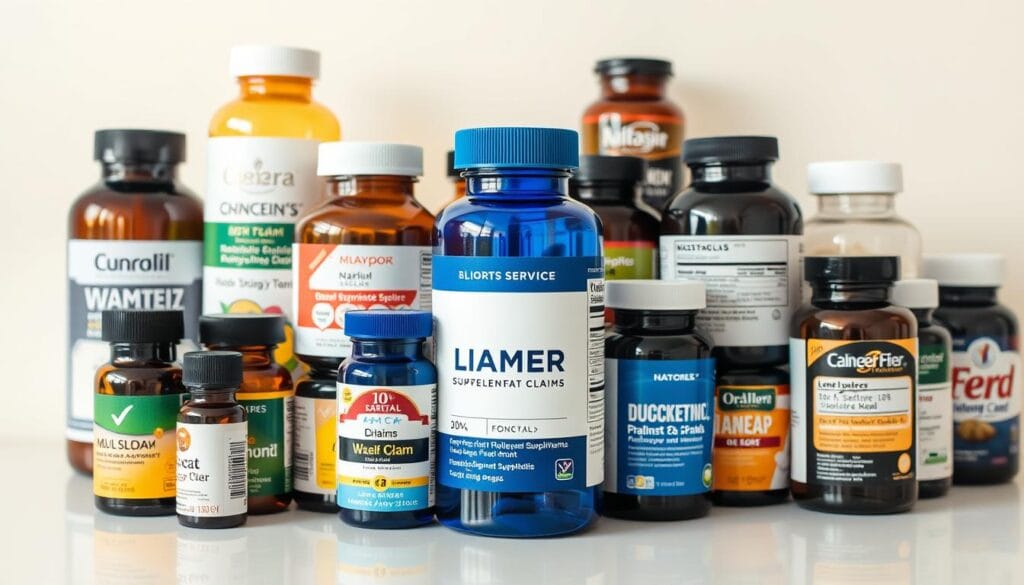
Signals of food-based sourcing and quality verification
Food-based sourcing often lists the source (acerola, kelp, fermented whole‑food). Look for brands that reference whole‑food concentrates and clear sourcing on the facts panel.
Third‑party marks—USP, NSF, or Informed Choice—and notes about U.S. GMP production are stronger quality signals than a “natural” claim alone.
| Label clue | What it suggests | What to do |
|---|---|---|
| Ascorbic acid | Isolated vitamin C compound | Compare with food sources listed; prefer food‑based form if absorption matters |
| ≥200% RDA on multiple nutrients | Oversized dosing; possible compensation | Check need with labs; avoid long-term high doses without guidance |
| Colorings, preservatives | Added non‑nutritive ingredients | Pick cleaner formulas with minimal additives |
| USP/NSF seal, GMP note | Third‑party testing and quality manufacturing | Prefer products with these certifications |
“Read the facts panel first; it usually tells you more than the front label.”
For practice, review the guides How to Read Supplement Labels, Third‑Party Certifications (USP, NSF, Informed Choice), GMP in the U.S., and Food‑Based vs Isolated Ingredient Lists before your next buy. Also check folic acid labeling carefully if you are planning pregnancy.
Food first: practical ways to get more vitamins and minerals from your diet
Small swaps at grocery time can quietly raise the nutrient density of every meal you eat.
Everyday strategies to boost vitamin and nutrient intake
Add vegetables and fruit to every meal. Start with a fruit at breakfast, a double veg side at lunch, and a salad or steamed greens at dinner. These foods deliver vitamins, fiber, and minerals that support steady energy and blood sugar control.
Rotate legumes, nuts, and seeds. Swap a sandwich for a bean salad twice weekly. Snack on a small handful of nuts or sprinkle seeds on yogurt. These choices raise protein, fiber, and micronutrient variety that help lower LDL and support heart health.
Make whole grains the default. Choose oats, brown rice, and farro for breakfasts and sides. Whole grains supply B vitamins and minerals that sustain energy and protect against chronic disease.
Eat oily fish 1–2 times per week. Canned salmon, frozen fillets, or fresh fish add omega‑3s tied to lower cardiovascular risk. Balance budget and convenience with canned and frozen options.
| Action | Why it helps | Quick tip |
|---|---|---|
| Fruit at breakfast | Boosts vitamin C and fiber | Top oatmeal or yogurt with berries |
| Bean-based lunches | Increases fiber, protein, and minerals | Prep a big batch for 3–4 meals |
| Nuts & seeds snacks | Adds healthy fat and micronutrients | Portion into single-serve packs |
| Whole-grain swaps | Delivers B vitamins and steady energy | Use whole-grain pasta or bread |
Make meal prep work for you. Batch-roast vegetables, cook legumes, and keep a Plant-Forward Pantry List on hand. Use Mediterranean-Style Meal Plans, Seafood and Omega-3 Guide, High-Fiber Eating, and Smart Snacks: Nuts and Seeds for recipes and shopping help.
Small, consistent food changes reduce reliance on pills and raise baseline nutrient status for lasting benefits.
How to choose a supplement when you need one
Begin by defining the single gap you need to fill — then find a form that fits it.
Prioritize food-based formulas, evidence-backed doses, and U.S. GMP-certified products.

Match form to need
For bone health, pick vitamin D3 paired with calcium at evidence-backed doses rather than megadoses. For low B12, consider methylcobalamin forms when appropriate. For antioxidant support, prefer food-based vitamin C over isolated ascorbic acid when possible.
Checklist for safe selection
- Choose products that list food sources and clear ingredients, and avoid oversized doses.
- Prefer U.S. GMP-certified manufacturers and third-party tested brands (see Supplement Buyer’s Guide and Third-Party Testing and GMP).
- Scan labels for chemical names, overlapping fortification, and unnecessary additives.
Build a smart stack
Avoid redundancy: check fortified foods, a daily multivitamin, and single-nutrient items with a Multivitamin Overlap Checker. If you select synthetic vitamins for cost reasons, use dose discipline and periodic lab checks.
“Match the form to the need, keep doses evidence-based, and reassess with tests.”
| Need | Recommended form | Action |
|---|---|---|
| Bone health | D3 + calcium | Use evidence-backed dosing; monitor levels |
| Low B12 | Methylcobalamin | Test serum B12; follow clinician plan |
| Immune/antioxidant | Food-based vitamin C | Prefer food-sourced forms; avoid excess acid-only formulas |
Conclusion
The clearest path to steady energy and resilience is a food-centered routine backed by smart testing.
Research shows whole foods deliver a range of vitamins, minerals, and cofactors that support your body in ways pills often cannot. Use a food-first diet to capture broad benefits and reserve a supplement only to fix verified deficiencies or medical needs.
You now know the difference in forms and compounds, how they work in the body, and the risks some synthetic vitamins can pose. Apply label literacy, pick quality products, and keep doses evidence-based to protect health and energy.
For practical next steps, follow the and the guides on Who Needs Supplements?, Safety & Quality, and Label Literacy to build a plan that fits your diet and goals.
FAQ
What’s the difference between whole-food nutrients and isolated lab-made ones?
Whole-food nutrients come from foods like fruits, vegetables, legumes, nuts, seeds, whole grains, and oily fish. They arrive inside a food matrix with cofactors such as fiber, phytochemicals, and minerals that help with absorption and function. Lab-made versions are produced industrially and often appear on labels under chemical names like ascorbic acid or folic acid. Those isolated forms can work well in some cases, but they usually lack the natural cofactors found in food.
Do food-based forms absorb better than isolated forms?
Often they do. The food matrix and cofactors in whole foods support digestion, transport, and cellular uptake, improving bioavailability for many vitamins and minerals. However, some isolated forms — for example, certain folate or vitamin B12 forms — can be well absorbed and necessary for people with specific needs.
Can you give an example where form matters clinically?
Yes. Vitamin E comes in multiple forms; the natural mixed-tocopherols in foods differ from the synthetic alpha-tocopherol used in many pills. Studies show natural forms and mixed tocopherols can have different biological effects and potency. Choosing the correct form matters for outcomes in clinical settings.
Are there situations when you should use a manufactured nutrient?
Yes. Older adults, strict vegans or vegetarians, pregnant women (or those planning pregnancy), and people with diagnosed deficiencies often benefit from produced nutrients. For example, vitamin B12 for vegans, folic acid or methylfolate for pregnancy planning, and vitamin D for people with low blood levels.
Do pills and powders reduce disease risk the same way whole-food diets do?
No. Large observational and intervention studies link dietary patterns rich in whole foods to lower rates of heart disease, diabetes, some cancers, and premature death. Evidence for routine use of multivitamins, single vitamins, or antioxidant pills is mixed; they don’t consistently reproduce the broad benefits of a healthy diet.
What are the safety risks of taking high-dose nutrients?
Overconsumption can cause harm. Fat-soluble vitamins (A, D, E, K) store in the body and can reach toxic levels. Specific risks include beta-carotene raising lung cancer risk in smokers, excess folic acid masking B12 deficiency, and unnecessary iron causing gastrointestinal issues or harm in those without deficiency. Quality issues like contamination or mislabeled doses are also concerns.
How can you tell if a product is food-based or an isolated chemical on the label?
Look for ingredient language and chemical names. Food-based products often list food sources (e.g., acerola, citrus bioflavonoids, spirulina) and may say “whole-food concentrate.” Isolated forms commonly use chemical names like ascorbic acid, cyanocobalamin, or folic acid. Third-party quality seals (USP, NSF, ConsumerLab) and clear dose information are positive signs.
What red flags should you watch for on supplement labels?
Oversized doses far above recommended intakes, long ingredient lists with fillers or artificial additives, vague “proprietary blends” that hide amounts, and lack of third-party testing are red flags. Also be cautious of unproven health claims and products that promise quick fixes.
What practical steps help you get more vitamins and minerals from food?
Focus on variety: eat more vegetables and fruits, include legumes and whole grains, add nuts and seeds, and consume oily fish like salmon or sardines several times a week. Small changes—swap refined grains for whole grains, snack on nuts instead of processed snacks, and incorporate a range of colorful produce—boost nutrient density.
If you need a product, how should you choose one?
Prioritize formulas with food-based ingredients when possible, clinically supported doses, and U.S. Good Manufacturing Practice (GMP) certification. Match the form to your need—for example, vitamin D3 with calcium for bone support, methylated B12 if you have absorption issues, or food-based vitamin C for immune support. Avoid stacking redundant products that duplicate nutrients already in fortified foods or a multivitamin.
Can third-party testing assure product quality?
Yes. Certifications from organizations such as USP, NSF, or ConsumerLab help verify that a product contains the ingredients and doses stated on the label and is free from common contaminants. Look for lot numbers and batch testing information when possible.
Should you rely on your doctor before starting a product?
Absolutely. Discuss your diet, medications, medical history, and any lab results with a healthcare professional before beginning a new nutrient regimen. Some products interact with drugs or can worsen medical conditions. Targeted testing can confirm deficiencies and guide safe, effective choices.