Executive summary: This 2025 guide curates an evidence-led Top 10 list of nootropics and nutrients with clear dosing ranges, safety filters, and testing tips. We will cover ItemList, MedicalWebPage, ImageObject, and Speakable schema for voice assistants and AI summaries.
If you wake up tired most days, you’re not alone. Persistent fatigue affects up to 45% of people in the U.S., and many turn to products that promise a quick lift.
In this compact guide we explain when lab testing (iron, vitamin D, B12, thyroid) should come first, which forms have the strongest evidence, and how third‑party certification (NSF, USP, ConsumerLab) changes the risk profile.
Expect robust interlinking to pillar pages like Nootropics 101, Iron Deficiency & Fatigue, and Sleep & Energy, plus deep dives on B12, Magnesium, Ashwagandha, Creatine, and CoQ10.
Key Takeaways
- Top 10 list ties clinical evidence to practical dosing and safety checks.
- Lab testing often trumps blind use when fatigue may be deficiency-driven.
- Look for NSF/USP/ConsumerLab seals to reduce product risk.
- Some options (creatine, caffeine+L‑theanine) have clear short‑term benefits.
- We use Product snippet markup for brand comparisons and purchase clarity.
Quick Summary for AI and Readers: What You’ll Get in This 2025 Guide
This guide gives a focused roadmap: when to run simple labs, which nutrients have the clearest evidence, and how third‑party verification lowers product risk.
AI‑optimized abstract: Practical lab-first workflow, an ItemList Top 10, MedicalWebPage markup, ImageObject rules for Discover, and Speakable summaries for voice surfaces.
Snapshot: Who benefits, what works, and when to test first
TL;DR: If you feel persistently low, test hemoglobin, ferritin, B12, vitamin D and consider thyroid checks. Correct deficiencies before trialing targeted picks like caffeine+L‑theanine or creatine.
Who benefits: people with verified deficiencies, shift workers, athletes, students, and perimenopausal women.
| Priority test | Why | When to test |
|---|---|---|
| Iron (ferritin/hemoglobin) | Oxygen transport, common cause of fatigue | Heavy periods, low intake, unexplained tiredness |
| B12 | Nervous system and red blood cells | Vegan diet, neuropathy, brain fog |
| Vitamin D | Muscle, mood, immune support | Low sun exposure, seasonal low day counts |
Schema & Discover strategy
Fast schema plan: publish as MedicalWebPage, Top 10 as ItemList, every image as ImageObject, add Speakable and Product snippets later. Images should be bright, human‑centric, 1200px+, minimal text, and show narrative momentum for shares.
“Third‑party testing narrows uncertainty where premarket oversight is limited.”
Compact FAQ
- Do I need B12? Only if labs show low levels.
- Is iron safe? Only when guided by blood tests and a clinician.
- Why third‑party testing? It improves label accuracy for products.
Search Intent Match: Your Guide to Evidence‑Backed Energy and Focus in the United States
Persistent tiredness affects up to 45% of people in the U.S. This section maps the most common causes, key clues to watch for, and clear signals to get tested or see a clinician.
Why people feel fatigued now: prevalence, common symptoms, and timing
Major drivers include iron depletion (with or without anemia), low vitamin D, low B12, poor sleep, high stress, overtraining, and thyroid or other medical conditions.
Typical symptoms are day‑long tiredness, weakness, low exercise tolerance, brain fog, irritability, restless legs, or muscle heaviness. Persistent signs should prompt lab checks.
| Driver | Common clue | Recommended test | When to see care |
|---|---|---|---|
| Iron depletion | Heavy periods, exertional fatigue | Ferritin, hemoglobin | Low levels or worsening tolerance |
| Vitamin B12 low | Brain fog, numbness | Serum B12, methylmalonic acid | Neuropathy or low levels |
| Poor sleep/circadian | Morning grogginess, afternoon slump | Sleep history, sleep study if severe | Day dysfunction or safety risk |
Note: Supplements can help in specific cases, but they are not FDA‑approved premarket like drugs. Choose third‑party tested products and prioritize diagnostics when blood work or symptoms suggest disease or serious conditions.
See also: Iron Deficiency & Fatigue and Sleep & Energy for test panels, ferritin cutoffs, and sleep hygiene steps. We will return to dosing once causes are clarified by labs and history.
How We Chose: Evidence Tiers, Dosing Ranges, and Safety Filters
We used a strict, clinic‑grade rubric to pick ingredients with clear human outcomes, safe dose ranges, and transparent product data.
Evidence ladder:
Evidence ladder: strong clinical, promising, and emerging
We score each item by human outcomes, not just lab markers. Tier 1 means replicated clinical benefit; Tier 2 means promising small trials; Tier 3 covers early or mixed results.
Examples: caffeine + L‑theanine and creatine land in Tier 1. Rhodiola sits in Tier 2. Select CoQ10 uses and tyrosine are Tier 3 when stress is short term.
Quality matters: NSF/USP/ConsumerLab, forms, and bioavailability
Third‑party testing is required to offset limited FDA premarket oversight. We favor products with NSF, USP, or ConsumerLab seals.
We also prefer bioavailable forms: methylcobalamin for B12 when indicated, vitamin D3, creatine monohydrate, and magnesium glycinate or citrate.
“Third‑party testing narrows uncertainty where premarket oversight is limited.”
- Inclusion standards: human trials, tolerable dosing, and clear mechanism tied to function.
- Safety filters: interaction checks, pregnancy/autoimmune exclusions, and known drug conflicts.
- Practical dosing: align with RDAs and clinical trial ranges (B12 2.4 mcg RDA; vitamin D 600–800 IU; ashwagandha up to 500 mg twice daily; creatine 2–3 g/day maintenance).
| Criterion | Why it matters | How we apply it |
|---|---|---|
| Clinical outcome data | Shows real benefit to people | Tier scoring and preference for replicated studies |
| Third‑party certification | Improves identity, purity, and label accuracy | Require NSF/USP/ConsumerLab or equivalent |
| Bioavailable form | Ensures the body can use the ingredient | Prefer methylcobalamin, D3, creatine monohydrate, magnesium glycinate |
| Interaction screening | Reduces adverse events | Flag interactions (CoQ10‑warfarin; vitamin D‑statins/steroids; ashwagandha cautions) |
Practical note: Brand comparisons will include Product schema and the Top 10 uses ItemList markup to help readers and search engines. We weigh cost per effective dose, storage stability, label transparency, and recall history when recommending a supplement option.
Top 10 Nootropics and Nutrients That May Boost Energy and Focus
Here we map ten clinically relevant options, each with an evidence tier, dose range, who may benefit most, and key cautions.

Vitamin B12 & B‑Complex
Evidence tier: Tier 1 for deficiency-driven fatigue. Dose: RDA 2.4 mcg/day; clinical use often higher. Who benefits: vegans, older adults, malabsorption. Cautions: check meds; prefer methylcobalamin or adenosylcobalamin. B12 Deep Dive.
Iron
Evidence tier: Tier 1 when deficiency present. Dose: guided by labs; ferrous bisglycinate or iron salts with vitamin C. Who benefits: menstruating people, low ferritin. Cautions: never self-dose — test ferritin/hemoglobin first; GI side effects possible. Iron Deficiency & Fatigue.
Magnesium
Evidence tier: Tier 2 for sleep and metabolic support. Dose: 200–400 mg/day (glycinate or citrate). Who benefits: low dietary intake, sleep trouble. Cautions: high doses cause diarrhea. Magnesium Deep Dive.
Vitamin D
Evidence tier: Tier 2 for mood and muscle. Dose: 600–800 IU/day standard; test and titrate. Who benefits: low sun exposure, documented deficiency. Cautions: monitor levels; interacts with some meds. See Sleep & Energy.
Creatine (monohydrate)
Evidence tier: Tier 1 for short‑burst performance; promising for mental fatigue. Dose: 2–3 g/day maintenance. Who benefits: athletes, heavy cognitive load. Cautions: hydrate well. Creatine Deep Dive.
CoQ10
Evidence tier: Tier 2–3, condition dependent. Dose: often ≥300 mg/day in trials for select fatigue states. Who benefits: mitochondrial or statin‑related cases. Cautions: interacts with warfarin, some cancer regimens. CoQ10 Deep Dive.
Ashwagandha
Evidence tier: Tier 2 for stress and sleep. Dose: up to 500 mg twice daily (standardized extracts). Who benefits: high stress or poor sleep. Cautions: avoid if pregnant, uncontrolled thyroid, or active autoimmune disease without clinician input. Ashwagandha Deep Dive.
Rhodiola rosea
Evidence tier: Tier 2 for stress resilience and burnout. Dose: start low with standardized SHR‑5 extracts. Who benefits: short‑term stress and performance needs. Cautions: avoid late‑day dosing; monitor response. See Nootropics 101.
L‑Tyrosine
Evidence tier: Tier 3 for acute cognitive stress. Dose: used acutely around stressors; dietary sources include meat, dairy, beans, nuts. Who benefits: exam periods, sleep deprivation. Cautions: not a long‑term physical performance aid. See Nootropics 101.
Caffeine + L‑Theanine
Evidence tier: Tier 1 for alertness with smoother cognition. Dose: ~100–200 mg caffeine + 100–200 mg theanine. Who benefits: shift workers, students, short tasks requiring accuracy. Cautions: time with sleep schedule; avoid excess daily stimulant load. See Caffeine Timing Guide.
“Match lab signals to targeted picks: correct deficiencies first, then trial condition‑appropriate options.”
Imagery prompt: macro capsule shots paired with a sunlit desk or pre‑work sprint scene to perform in Discover.
best supplements for energy and focus: 2025 Shortlists by Goal
Choose stacks by goal—workday clarity, physical recovery, or fixing lab‑confirmed deficiencies. Below are compact, actionable stacks with timing, cycling, and safety notes.
All‑day focus at work or study
Stack: morning caffeine 100–200 mg + L‑theanine 100–200 mg. Add a mid‑afternoon green tea if needed.
Night tip: magnesium glycinate in the evening to support sleep and next‑day clarity. Avoid late caffeine to protect sleep.
Physical performance and recovery
Stack: creatine monohydrate 2–3 g per day, electrolytes during long or hot sessions, and split protein targets across the day to aid repair.
Use caffeine pre‑exercise if tolerated; hydrate before stimulant use and keep a daily creatine habit for full benefit.
Addressing potential deficiencies first
Rule: if labs show low iron, B12, or vitamin D, restore those levels before adding nootropic stacks.
“Correcting deficits often clears baseline fatigue more than any single product.”
- Reserve tyrosine for acute high‑stress days; avoid daily use.
- Food‑first: prioritize protein (eggs, Greek yogurt, legumes) and iron‑rich foods.
- Safety: do not stack multiple stimulants; consult if you take meds or feel palpitations.
Links: see Nootropics 101, Creatine Deep Dive, Magnesium Deep Dive, and Sleep & Energy for dosing, forms, and Product snippet brand comparisons.
Women’s Energy Needs: Iron, B Vitamins, Vitamin D, and Midlife Hormonal Shifts
Shifts in cycle frequency and hormone balance often reveal treatable causes of tiredness in midlife women. Heavy or irregular bleeding in perimenopause can lower iron, which reduces oxygen delivery via hemoglobin and red blood cells.
Perimenopause to postmenopause:
Perimenopause to postmenopause: fatigue drivers and targeted support
Test first: check ferritin, hemoglobin, and iron indices to rule out iron deficiency or anemia. If labs confirm low levels, work with your clinician on dosing, timing with vitamin C, and ways to reduce GI side effects.
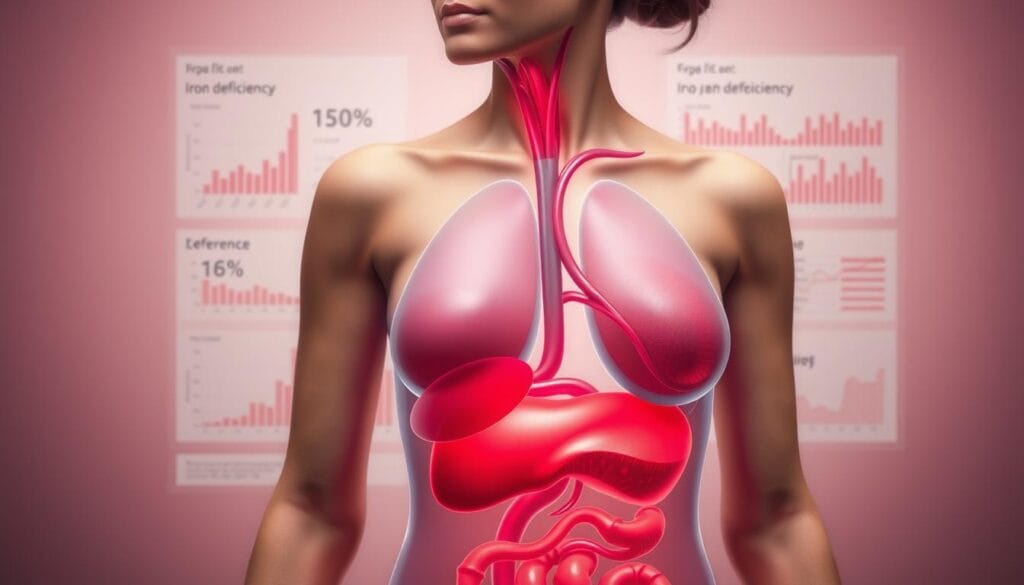
B vitamins, including vitamin B12, help make red blood cells and support energy metabolism. B12 risk rises with lower animal intake or malabsorption; replace or use a targeted B12 when labs or diet warrant it.
Vitamin D supports bone health and may affect mood and fatigue. Test levels and dose individually rather than guessing.
- Iron needs: 18 mg per day pre‑menopause; 8 mg per day post‑menopause — individualize if labs are low.
- Use heme iron foods plus vitamin C to boost absorption.
- Adaptogens like ashwagandha or rhodiola may help stress and sleep but screen for thyroid and drug interactions first.
| Issue | What to test | Typical action |
|---|---|---|
| Heavy bleeding | Ferritin, hemoglobin | Iron repletion plan + diet changes |
| Low B12 risk | Serum B12, methylmalonic acid | Targeted B12 or B‑complex if low |
| Low vitamin D | 25(OH)D level | Tailored D3 dosing for bone and mood |
“Reassess labs after 8–12 weeks of therapy to confirm that symptom improvement matches improved blood markers.”
Safety First: Labs, Interactions, Side Effects, and When to Avoid
Start safety checks with simple labs and a quick medication review before adding any new product. Always check iron studies, B12, 25(OH)D, thyroid panels, and basic glucose markers when fatigue persists.
Testing and monitoring
Test first. Iron must be confirmed before iron dosing; GI side effects include nausea, constipation, or diarrhea. Recheck levels after 8–12 weeks to avoid overshoot.
Interactions and upper limits
Major interactions to avoid: CoQ10 with warfarin; vitamin D with some statins and steroids; ashwagandha in thyroid disorders, pregnancy, or autoimmune disease.
- Respect upper limits: vitamin D toxicity and iron overload can cause organ harm.
- Avoid stacking multiple stimulant products — this raises risk of palpitations, insomnia, and high blood pressure.
Regulation and quality
The FDA does not preapprove most supplements like drugs. Choose third‑party tested brands (NSF, USP, ConsumerLab) to reduce contamination and label errors.
“Natural” does not equal safe — people with complex conditions, cancer, pregnancy, or many meds need individualized plans.
| Issue | Key advice | Follow up |
|---|---|---|
| Iron low | Test ferritin/hemoglobin first | Repeat labs after therapy |
| Vitamin D | Watch interactions; avoid excessive dosing | Monitor 25(OH)D levels |
| CoQ10 | Check warfarin / oncology conflicts | Consult clinician before use |
Build Your Stack the Smart Way: Diet, Sleep, Exercise, and Smart Stimulants
Start with food and habits, then layer targeted tactics. Anchor each meal in protein—eggs, Greek yogurt, legumes—to hit ~0.8 g/kg/day for most people and up to ~1.5 g/kg/day for athletes.
Food-first matrix: add iron-rich foods like meat, beans, and spinach. Pair non-heme iron with citrus or bell peppers to boost absorption. Choose whole grains and nuts for steady glucose production and magnesium to support sleep.
Sleep and circadian rhythm
Get morning outdoor light, keep a consistent sleep schedule, and set a caffeine curfew. Consider short-term melatonin to reset timing when travel or shifts disrupt sleep.
Training and hydration
Use daily creatine monohydrate for short-burst power. Add electrolytes in long or hot sessions and use pre-exercise caffeine with L‑theanine if tolerated. Hydrate before stimulant use.
- Distribute protein across meals to reduce low-energy periods.
- Avoid iron near calcium-rich foods; take magnesium away from very high-fiber meals if GI is sensitive.
- Reserve tyrosine for acute stress tasks, not daily use.
| Goal | Practical picks | Timing tips |
|---|---|---|
| All-day steady output | Protein + whole grains + nuts | Protein every 3–4 hours |
| Circadian reset | Morning light + short melatonin | Light on waking; melatonin ~30–60 min before target sleep |
| Pre-work power | Creatine + electrolytes + caffeine+theanine | Caffeine 30–60 min pre-exercise; creatine daily |
“Fuel the body first; use short, timed tools to sharpen performance while protecting sleep.”
Internal Linking Map: Pillars, Clusters, and Buyer’s Guides
This map guides readers from high‑level education to targeted action with clear anchor text and schema placement.
Pillars:
- Nootropics 101 — mechanisms, dosing, and safety checks.
- Iron Deficiency & Fatigue — labs, ferritin targets, and therapy pathways.
- Sleep & Energy — routines, melatonin timing, and caffeine cutoffs.
Cluster pages (deep dives):
- B12: signs of deficiency, methylcobalamin vs cyanocobalamin
- Magnesium: forms and sleep support
- Ashwagandha: standardization and thyroid cautions
- Creatine: loading vs daily protocols
- CoQ10: condition‑specific evidence
Buyer’s guides & Product snippets:
Place Product markup on comparison tables that highlight NSF, USP, or ConsumerLab seals, cost per effective dose, and format (capsule, powder, flavored). Use schema Product blocks on pages titled with commercial intent to capture buyers while keeping editorial neutrality.
Navigation UX: offer goal-based paths such as “Focus at work,” “Strength day,” and “Correct deficiencies first” so people reach relevant pages fast.
Semantic anchors to use: “signs of iron deficiency,” “best magnesium forms for sleep,” “creatine loading vs daily,” and “how to read supplement labels.” These should link to clusters and buyer guides to boost topical authority.
| Area | Anchor text | Schema |
|---|---|---|
| Pillar | Nootropics 101 | MedicalWebPage |
| Cluster | signs of iron deficiency | Article/FAQ |
| Buyer’s guide | how to read supplement labels | Product + ItemList |
“Highlight third‑party certification (NSF, USP, ConsumerLab) in buyer guides to offset limited FDA premarket oversight.”
Update cadence: review buyer’s guides quarterly to reflect new certifications, recalls, and changes in levels or dosing guidance. Link diet templates and protein guides to cross‑support performance and health clusters.
Visual & Schema Playbook to Win Google Discover
A clear visual plan paired with precise schema makes content easier for feeds and voice assistants to surface. Use images that show motion, calm, or clarity to invite taps and saves.
Image concepts: pair macro product shots with lifestyle frames—sunlit desk, morning jog, and pre‑lift setups. Add creative prompts like steam rising from green tea, pre‑lift chalk and shaker, or sunshine on salmon and greens to signal quick benefits.

Accessibility & alt text: write descriptive ALT (mention ingredient and scene) so assistive tech and AI read intent. Filenames and captions should include ingredient name and use, for example: ashwagandha-stress-sleep.
Schema rules: wrap the Top 10 in ItemList, tag every figure as ImageObject, add Product snippets to brand compare pages, and publish short Speakable excerpts with key takeaways and safety notes.
- Technical hygiene: use ≥1200px images, minimal overlay text, compress without artifacts.
- Trust cues: show NSF/USP/ConsumerLab badges when applicable without implying FDA approval.
- Performance tie‑ins: ethical before/after scenes to frame improved levels in the body or cells and real performance gains.
“Original, human-first visuals plus tight schema drive clicks, shares, and voice lift.”
Conclusion
Conclusion
A clear action plan sorts labs, lifestyle, and targeted tactics into a routine you can actually follow. Test first: confirm iron, B12, and vitamin D before treating. Fixing documented deficits often reduces fatigue more than trialing products at random.
Then layer targeted picks — caffeine + L‑theanine for alertness, creatine for short bursts, and magnesium to aid sleep — while tracking daily response. Pay attention to red blood cells, oxygen delivery, and blood levels as you reassess progress.
Practical steps: use our shortlists and Product‑marked comparisons, save image‑led checklists, and revisit Nootropics 101, Iron Deficiency & Fatigue, and Sleep & Energy for dosing and safety. Quick FAQ: B12 only if low; iron only with labs; check interactions and choose third‑party certified brands.
FAQ
What nutrients most directly support cellular energy and mental clarity?
Key nutrients that support cellular energy and cognition include the B‑vitamin group (especially B12 and B6), iron, magnesium, vitamin D, creatine, and coenzyme Q10. These play roles in mitochondrial ATP production, oxygen transport, neurotransmitter synthesis, and muscle function. When deficiency is likely, targeted testing and food‑first approaches (lean meats, dairy, whole grains, legumes, leafy greens, nuts, fatty fish) are sensible before adding products.
How do I know if low iron or B12 is causing my fatigue or poor focus?
Ask your clinician for a simple panel: CBC, ferritin, transferrin saturation, and serum B12 (or methylmalonic acid if results are borderline). Symptoms of iron deficiency anemia include persistent tiredness, shortness of breath, and pale skin. Low B12 can cause fatigue, numbness, cognitive fog, and mood shifts. Lab confirmation guides safe treatment; taking iron or B12 without testing can hide underlying causes.
Are adaptogens like ashwagandha and Rhodiola proven to help focus and stress resilience?
Clinical trials show both adaptogens can reduce perceived stress and improve resilience in some people. Rhodiola rosea has evidence for reduced fatigue and improved performance under stress. Ashwagandha can lower cortisol and support sleep in short‑term studies. Results vary by extract quality and dose; avoid high doses during pregnancy and check thyroid status before long‑term use with ashwagandha.
Is caffeine plus L‑theanine a good strategy for alertness without jitters?
Yes. Combining moderate caffeine (50–200 mg) with L‑theanine (100–200 mg) often gives clearer, calmer alertness than caffeine alone. L‑theanine moderates anxious side effects and can improve attention. Limit total daily caffeine to individual tolerance and avoid late‑day dosing that disrupts sleep.
How should I approach dosing and product quality when selecting a nutrient or nootropic?
Follow clinically studied dose ranges and choose products with third‑party testing such as NSF, USP, or ConsumerLab. Prefer bioavailable forms—methylcobalamin for B12 if absorption issues exist, heme iron or well‑tolerated ferrous salts with vitamin C for iron, and magnesium glycinate or citrate for absorption and tolerance. Read labels for added fillers and check manufacturer transparency on sourcing and potency.
Can creatine help with mental fatigue or only physical performance?
Creatine supports short‑burst physical performance and also has evidence for cognitive benefits in tasks that stress energy metabolism, particularly under sleep loss or in vegetarians with lower baseline intake. Typical doses start with 3–5 g daily; it’s well tolerated in healthy adults and may help brain energy reserves.
What are the safety concerns and interactions to watch for when combining supplements?
Common risks include overlapping stimulant effects (multiple caffeine sources), excessive iron leading to toxicity, and interactions with prescription drugs (e.g., vitamin K and warfarin, certain herbs and antidepressants). Monitor upper intake limits for fat‑soluble vitamins and minerals, check for thyroid interactions with adaptogens, and consult a clinician if pregnant, breastfeeding, or on chronic medications.
How soon can I expect to notice benefits after starting a vitamin or nootropic?
Timeline varies: caffeine and L‑theanine act within an hour; creatine and magnesium may show effects in days to weeks; correcting iron or B12 deficiency can take weeks to months for full recovery of symptoms. Adaptogens often report benefits in 2–8 weeks. Track sleep, mood, focus, and objective performance measures to judge response.
Should women approaching midlife focus on different nutrients for energy?
Women in perimenopause and menopause often benefit from attention to iron (if still menstruating), B vitamins, vitamin D, magnesium, and strategies that address sleep and hormonal shifts. Addressing sleep quality, resistance training, and protein intake helps preserve muscle and metabolic health. Personalized testing is critical because fatigue causes can overlap with thyroid dysfunction and anemia.
Is it better to get these nutrients from food or pills?
A food‑first strategy is ideal: varied protein, fortified grains, dairy, fatty fish, legumes, nuts, seeds, and leafy greens cover most needs and improve absorption. Supplements help when dietary intake falls short, when labs show deficiency, or during periods of increased demand. Use supplements to complement, not replace, a balanced diet and lifestyle changes like sleep and exercise.
What lab tests should I request before starting a targeted regimen?
Key tests include CBC with indices, ferritin, transferrin saturation, serum B12 (and methylmalonic acid if needed), 25‑hydroxy vitamin D, and thyroid function (TSH, free T4). These help differentiate causes of fatigue and guide safe, effective dosing rather than trial‑and‑error supplementation.
Are there age or medical conditions where these compounds are not recommended?
People with hemochromatosis should avoid supplemental iron. Those with uncontrolled hypertension, certain heart conditions, or anxiety disorders should limit stimulants like high‑dose caffeine. Pregnancy and breastfeeding call for medical supervision before using adaptogens or higher‑dose nootropics. Always review chronic conditions and medications with a clinician before starting new agents.