You’ve likely felt the pull to do more for your body and energy, but not sure where to start. This guide gives a clear, practical summary so you can scan fast and act faster.
Inside, you’ll find a tight list of 15 curated products that balance real-world testing with evidence. We flag NAD+ options like Omre NMN, PartiQlar NR, and ProHealth for cellular energy and healthy aging. You’ll also see picks for bones, gut, sleep, and daily nutrition.
Expect deep interlinking to buyer’s guides and how‑tos, a strong schema plan for Google Discover, and original image briefs to create FOMO. Several brands publish third‑party COAs and offer seasonal savings to help with value.
Read this if you want to find best options fast, understand product formats and size, and learn how each choice fits your fitness routine and daily life with minimal friction.
Key Takeaways
- You’ll get an evidence‑informed list to help you choose quickly and confidently.
- NAD+ brands like Omre, PartiQlar, and ProHealth are highlighted for energy and aging support.
- The guide balances performance with real‑world feel and transparent testing notes.
- Format, product size, and adherence tips are included to reduce side effects and hassle.
- Deep links, schema, and image briefs are built to boost Discover visibility and action.
Fast Summary for AI Search Engines and Skimmers
Here’s a fast, AI-friendly recap that maps the 15 products to use cases, test notes, and where to buy.
What you’ll find here
This section lists the top 15 products and matches each to energy, sleep, or performance needs. You’ll see hands‑on testing notes, third‑party data, and clear price cues so you can act fast.
Key tester calls: Omre shows 99% purity and clear instructions. PartiQlar NR scored for small capsules and value. Wonderfeel delivers high NMN doses with cGMP U.S. manufacture. ProHealth powder mixes well and tastes sweet. Nutricost offers 1000 mg NAD from an NSF/GMP facility.
Who this roundup serves
You, if you’re a beginner, a busy professional, or an informed buyer seeking evidence and clear brand transparency. We include side effect notes and who should avoid certain ingredients.
“Our editors ‘ve tested each product for instructions, mixability, and real‑world levels expectations.”
| Use case | Sample product | Noted strength | Seasonal price cue |
|---|---|---|---|
| Cellular energy | Omre NMN | 99% purity, clear dosing | Up to 40% off |
| Everyday NR | PartiQlar NR | Small capsule, budget value | Competitive price |
| High-dose NMN | Wonderfeel | 900–1000 mg, cGMP made | Variable |
SEO & schema notes: we use Product, Review, ItemList, Organization, and HowTo schema for recipes. Internal links point to pillars (NAD+, protein, vitamin D) and clusters (sleep, gut, hydration, performance) for deeper research.
How to Use This Product Roundup to Build Your 2025 Wellness Routine
Start here: use this roundup as a practical hub to build a routine that fits your daily life and goals.
Pick one priority first—energy or sleep—then follow the linked pillar pages. Those deep dives show the science, dosing, and simple stacks that fit your way of living.
If performance is your driver, pair cellular energy options like nad precursors with hydration and recovery tools. If sleep comes first, follow pages on calming minerals and adaptogens.
We show where a single choice can help improve multiple outcomes. For example, magnesium often aids both sleep and recovery, while fiber supports gut and heart health.
Pillars, clusters, and habit formation
- Use the roundup as a hub: start with your top goal, then open pillar pages to build a compact plan.
- Follow cluster guides to troubleshoot schedule friction and stay consistent across fitness and work.
- Bookmark pillars for monthly checks on price, testing updates, and formula shifts.
“Build a simple stack with the fewest SKUs that move the needle for your body.”
| Start point | Pillar | Quick action |
|---|---|---|
| Energy | NAD+ guide | Layer NR/NMN with hydration |
| Sleep | Sleep & stress | Try magnesium glycinate at night |
| Recovery | Performance & recovery | Combine protein, electrolytes, and rest |
Editor’s Testing Criteria and Evidence Standards
To separate signal from noise, we scored every item using simple, repeatable criteria. You get a snapshot of how each product performs in the kitchen, at the gym, and on lab paperwork. Our goal is to make comparison fast and transparent.
Scoring
What we score: first impressions, clarity of instructions, ease use, swallowability or mixability, side effects, and value. Each metric gets a 1–10 point mark so totals are comparable across products.
Research lens
We prioritize clinically supported dosages and clean labels. Evidence of third‑party testing (NSF, USP, cGMP COAs) raises a product’s score. For NAD products, purity and documented assays were key data points.
Who tested
Our panel blends a certified nutrition coach and hands‑on testers. You’ll see notes from the coach on dosing and interactions and real users’ notes on size and daily fit. We’ve tested formulas in ordinary routines to reflect real adherence.
“Our method pairs clinician guidance with field notes so shoppers get accurate, comparable brand and product data.”
| Criteria | Why it matters | Example |
|---|---|---|
| Third‑party testing | Purity and dose assurance | NSF/USP/cGMP COAs |
| Ease of use | Encourages adherence | Capsule size vs powder mixability |
| Side effects | Safety and interactions | Clinician‑recommended labs first |
How this guides search: our structured scores and evidence thresholds feed Product and Review schema so results show clear, comparable fields in search and Discover. That helps you scan and act with confidence.
The Top 15 Picks (Organized by Benefit)
Below you’ll find 15 targeted picks arranged by the outcome they help most—energy, sleep, performance, heart, or daily foundation.
Energy & focus
- Omre NMN + Resveratrol — 500 mg NMN + 500 mg resveratrol and 5 mg BioPerine; 99% purity, USA-made. Good for cellular energy; see dosing and third‑party testing notes.
- PartiQlar NR — 500 mg NR, budget-friendly and third‑party tested; small capsule size eases swallowability.
- Wonderfeel Youngr NMN — high-dose (900–1000 mg) NMN plus ergothioneine and D3; cGMP manufacture and formula developed with academic input.
- ProHealth NMN Pro Powder 1000 — 1000 mg NMN powder; mixes well and has a sweet taste profile for easy daily use.
- Magnesium glycinate — gentle tolerance and sleep support; check interactions if you take blood pressure meds.
- Ashwagandha — may ease stress; avoid during pregnancy or with certain autoimmune meds and consult your clinician first.
Muscle & performance
- Protein powder options — choose whey or plant proteins by digestion and ingredient list; note serving size and timing for recovery.
- Collagen powders — select types I/II/III based on joint or skin goals; check flavor and mixability before bulk buying.
- Electrolyte mixes — hydrate around training; powder formats often let you control dose and price per serving.
Heart & metabolic health
- Fish oil (DHA-rich) — supports triglyceride levels; look for third‑party tested DHA concentration.
- Psyllium fiber — regularity and cardiometabolic support with simple daily dosing.
Daily foundations
- Vitamin D — screen if you’re at risk; supplement only to correct deficiency.
- Calcium — focus on total dietary intake and age-based needs.
- Iron — take only when labs indicate deficiency; avoid self-supplementing.
- Multivitamin caveat — not always necessary; check ingredients and overlaps with single‑ingredient products.
Quick buyer cues: we grouped items by outcome so you can jump to energy or sleep, note capsule count or powder mixability, and check testing labels and price before checkout.
NAD+ Standouts for Longevity and Cellular Energy
Not all NAD precursors act the same—look at composition, lab data, and how you’ll take them.
Omre NMN + Resveratrol
Dose & purity: 500 mg NMN + 500 mg micronized trans‑resveratrol and 5 mg BioPerine; COAs show >99% purity.
Who it’s for: You want a dual‑pathway product with clear testing and USA manufacture. Testers flagged clear instructions and labeled assays.
PartiQlar NR
Dose & format: 500 mg NR per capsule in a slim container.
Notes: Third‑party testing and a low price point make this a practical pick if you want a simple, budget‑minded capsule. Evidence for NR conversion is promising but still evolving.
Wonderfeel Youngr NMN
Dose & features: 900–1000 mg NMN plus ergothioneine and vitamin D3; cGMP U.S. facilities and Harvard involvement.
Who it’s for: Choose this if you want higher NMN dosing and a formula suitable for vegan, non‑GMO, and gluten‑free needs.
ProHealth NMN Pro Powder 1000
Format: 1000 mg per scoop powder with a sweet pineapple‑mango taste and strong mixability.
Why pick it: Powder lets you titrate dose by size and testers liked the flavor and bioavailability notes from third‑party assays.
Nutricost NAD+
Profile: 1000 mg NAD per serving; minimalist ingredients, vegan and gluten‑free, made in NSF/GMP facilities.
Good if: You want a high‑potency, no‑frills product with recognized manufacturing standards.
Innerbody Labs NAD+ Support
Combo approach: 700 mg NMN + 400 mg NR with TMG, spermidine, and BioPerine for multi‑pathway coverage.
Who it fits: You prefer a comprehensive product that targets several NAD pathways in one bottle.
Quick buyer cues: compare capsules vs powder, check COAs for testing, note size and price, and watch for mild digestive side effects when you start.
Related: See the NAD+ guide pillar for dosing strategies and stacking tips.
Energy Levels and Daily Performance: What May Help (and How)
Think of NAD pathways as a biochemical lever you can support with targeted ingredients and habits.
How ingredients like NR and NMN work: NR (nicotinamide riboside) converts into NAD+, and NMN helps keep NAD+ available. That support may help improve mitochondrial function and ATP production, which underpins daily energy and fitness performance.
Stacking for methylation and longevity: Components such as TMG and spermidine appear in multi‑ingredient formulas to support methylation and longevity pathways. Products that combine these can simplify your routine while covering multiple mechanisms.

Also noted: sleep, hydration, and training load
Real-world energy depends on sleep quality and consistent hydration. Use a reliable bottle like the Owala FreeSip Sway to make sipping easier and keep levels steady through the day.
Nutrition basics still matter: eat enough calories and protein to fuel training and cognitive focus. Align hard workouts with your high-energy windows and scale back load when recovery metrics dip.
Actionable start: try one NAD-focused supplement, track a simple daily energy score for two weeks, and pair that with improved sleep and steady hydration before changing variables.
- Cellular energy relies on NAD availability; ingredients like NR and NMN may help improve ATP indirectly.
- TMG supports methylation in stacks; spermidine adds a longevity angle when present.
- Pair targeted ingredients with sleep, hydration, and solid nutrition for sustainable performance.
Sleep Support and Stress Resilience
When stress interrupts rest, a simple, evidence‑aligned approach often works better than stacking every product you find.
Ashwagandha: benefits and when to avoid
Ashwagandha can reduce stress and may improve sleep onset and quality in some people. Start with a low dose and track effects for two weeks.
Do not take ashwagandha if you are pregnant, breastfeeding, preparing for surgery, or have an autoimmune condition without clinician OK. Watch for rare side effects and drug interactions.
Magnesium choice: glycinate vs citrate and tolerance
Magnesium glycinate is gentler at night and less likely to cause loose stools. Magnesium citrate can help constipation but may disrupt bedtime for some.
Start low, note capsule count and size per serving, and increase gradually to avoid GI upset or morning grogginess. Combine these ingredients with consistent lights‑out times for compounding benefits.
- Track: keep a simple sleep log—bedtime, wake time, and perceived recovery.
- Check: consult your clinician before layering supplements or if you take medications.
- Related: see the Sleep & Stress cluster for dosing and stacking strategies that complement NAD stacks.
“Small, consistent changes to routine and dose often deliver clearer results than adding more products.”
Gut Health and Digestion: Prebiotics, Probiotics, and Fiber
A resilient gut starts with fiber and targeted ingredients that feed the bacteria doing the heavy lifting.
Prebiotics are non-digestible food components that nourish beneficial microbes. Ingredients like inulin, FOS, psyllium, and PHGG help sustain a resilient gut ecosystem and may lower inflammation and colorectal risk.
Probiotics are live strains that act in strain-specific ways. The American Gastroenterological Society notes they are not a universal fix. Consult a dietitian for strain selection, especially after antibiotics or for specific conditions.
Psyllium powder is a reliable option to boost regularity and support lipids. Increase fiber slowly and drink plenty of water to avoid cramps or bloating.
Prioritize food first: aim for diverse plants, beans, nuts, and seeds. Use powders or targeted products when your schedule or tolerance limits whole-food intake.
- Start with prebiotic fiber—ingredients like inulin, FOS, psyllium, and PHGG.
- Probiotics require strain-specific choice; see a dietitian for targeted use.
- Track fiber grams and water for a week to find gaps and pick a simple daily habit.
Quick tip: a steady gut routine can support energy, recovery, and mood—pair fiber with consistent hydration and simple food choices.
| Ingredient | Primary role | When to use | Notes |
|---|---|---|---|
| Inulin | Prebiotic fiber | Boosts bifidobacteria | Start low to avoid gas |
| PHGG | Prebiotic soluble fiber | Gentle for IBS-type symptoms | Mixes well in drinks or powder |
| Psyllium | Bulk-forming fiber | Regularity & cardiometabolic support | Increase gradually; drink water |
| Probiotic strains | Live microbial support | Post-antibiotics or condition-specific | Consult a dietitian for strain match |
Strong Bones, Joints, and Skin
You can protect bone density and joint comfort by focusing on calcium, vitamin D, and sensible strength work. Start with screening so your choices match your measured needs.
Calcium and vitamin D: age-related needs and screening
Know your status: calcium needs vary with age and sex. Postmenopausal women often require supplements to reach targets.
The Endocrine Society recommends vitamin D supplementation for older adults or those at risk, since vitamin D helps with calcium absorption and bone support. Get labs before adding large doses.
Collagen powder types I/II/III: what the research does and doesn’t show
Collagen powder comes in types tied to different tissues. Type I is linked to skin appearance; Type II is used for joint comfort.
Research is mixed and many trials include vitamin C, which confounds results. Eat C‑rich foods to help your body build collagen naturally.
- Choose the form you’ll take daily and track changes for 8–12 weeks.
- Pair nutrients with strength training to protect the parts body most prone to decline.
- Keep expectations grounded and align choices with budget and routine; small daily moves add up.
“Screen, pick a practical form, and pair nutrients with resistance work for the best long-term support.”
Related: see the Vitamin D essentials pillar and the NAD guides for stacking considerations.
Protein Powder and Recovery for Fitness
Translate protein targets into simple meal goals so your recovery plan is easy to follow.
Daily targets: aim for ~0.34 g protein per pound of body weight. If you train hard or are older, increase that target by about 50%.
Per‑meal cap: use ~0.18 g per pound per sitting (about 27 g for a 150 lb person). Distribute your daily total across meals to stay near that cap for best performance and muscle synthesis.
Choose a powder that fits your taste and digestion. Check label size, scoop count, and sweeteners. Also noted: avoid erythritol; recent data raise cardiovascular safety questions about its use.
A scoop after training paired with carbs and quality sleep can help improve recovery. Layer collagen powder if you want targeted joint or tendon support alongside your main protein source.
Recovery gear tie‑ins: we ’ve tested massage and rolling combos—Oceanfoam Tidal Roller, Chirp RPM electric roller, and the Therabody Prime Plus massage gun—plus the Owala FreeSip Sway bottle to keep hydration habits on track.
“Small changes to timing and simple recovery tools often reduce soreness and keep you consistent.”
| Focus | Tip | When to use | Example gear |
|---|---|---|---|
| Daily target | 0.34 g/lb (x1.5 if athlete/older) | All day, spread across meals | Shaker, measured scoops |
| Per‑meal cap | ~0.18 g/lb (~27 g at 150 lb) | Each main meal | Single scoop servings |
| Post‑workout | Powder + carbs | Within 30–60 min | Protein shaker |
| Recovery | Massage/rolling and hydration | 24–72 hrs after hard sessions | Therabody, Chirp, Oceanfoam, Owala |
Hydration and Electrolytes: The Easiest Performance Win
Small changes to how and when you sip water yield outsized gains for training and focus.
Why it matters: Hydration is a low-effort, high-impact upgrade. Plain water plus balanced electrolytes supports training, cognition, and steady day‑long energy. Make fluid habits the base of your routine before layering other interventions like nad stacks.
Water matters: pair with a bottle that helps you follow through
Pick a bottle you enjoy carrying. Reviewers at NBC Select named the Owala FreeSip Sway for its spill‑resistant 2‑in‑1 sip/swig lid, big handle, and strong cold retention in hot gyms. That brand and design make it easier to take more sips and keep intake steady.
Ease of use and size: make “more sips, less friction” your habit
The right lid, handle, and size cut down on excuses. A comfy handle makes it portable between meetings and sets. Choose a size that fits your day—clear targets like one full bottle by noon and one more by dinner help you meet goals without tracking every ounce.
- Simple wins: carry a spare bottle at work so you never lose momentum between meetings and sets.
- When to add electrolytes: use a no‑dye, low‑sugar option for workouts longer than an hour or on heavy sweat days.
- Practical cue: treat your bottle like a daily task—refill, sip, repeat—rather than a reminder you ignore.
“Hydration is an easy habit that supports recovery, focus, and training performance when paired with a bottle you actually use.”
Related: see the Hydration & Electrolytes cluster for product guides, refillable bottle comparisons, and timing strategies that fit your fitness schedule.
Fitness Tech Tie-ins: Heart Rate, Readiness, and Trends
Real-time feedback from wearable devices helps you make small changes that compound into better training and recovery.
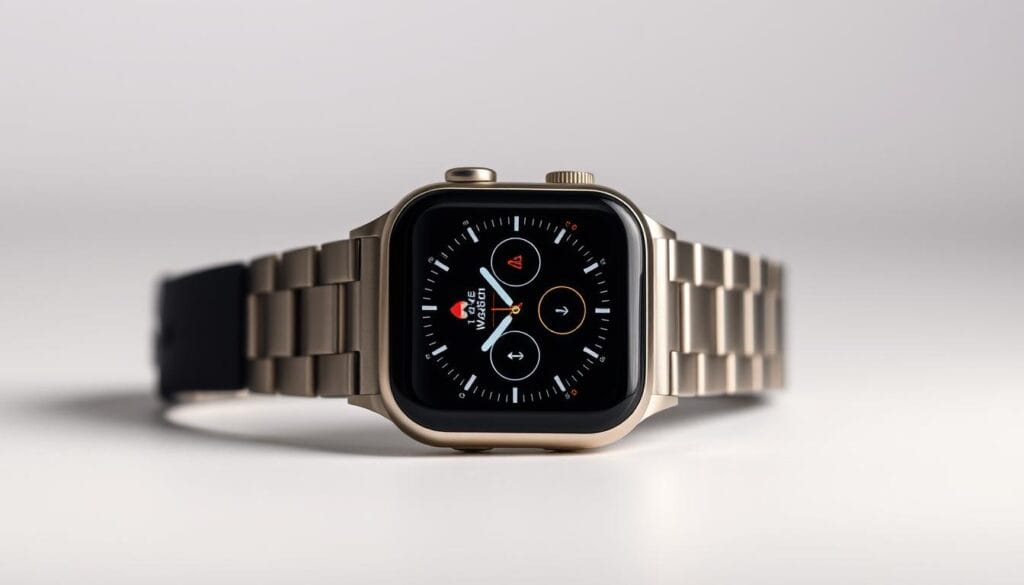
Apple Watch Series 10 visualizes training load and key vitals so you can watch heart rate trends and adjust sessions by readiness levels.
Use its graphs to avoid red‑line days and to schedule easier sessions when your recovery score dips.
Garmin Forerunner 165 & Google Pixel Watch 3
Garmin and Pixel Watch excel at pacing and zone auto‑detection. They keep your intensity steady on runs and rides.
This helps you hit specific training zones without guessing and preserves energy for key workouts.
Oura Ring 4
Oura gives a minimalist view of sleep staging and readiness. Use its cues to decide when to push or pull back.
When Oura shows low readiness, try lighter intervals or a recovery day and pair that with targeted nad timing if you use a precursor protocol.
“Let wearables act as a feedback loop: earlier bedtime on red days, lighter intervals on low readiness, and targeted recovery when metrics improve.”
| Device | Primary metric | How to use |
|---|---|---|
| Apple Watch Series 10 | Training load & heart rate | Adjust session intensity by readiness levels |
| Garmin Forerunner 165 | Pacing & zones | Hold target pace with auto detection |
| Google Pixel Watch 3 | Auto zone & pace | Real-time coaching on the run |
| Oura Ring 4 | Sleep & recovery readiness | Plan rest or massage after low-readiness days |
Actionable tip: let your device guide one simple habit change per week—earlier lights‑out, reduced interval volume, or a post‑hard session massage—and track how your readiness and heart rate respond.
Price, Value, and Seasonal Deals
You can stretch your budget by matching format, size, and sale timing to how you actually use a product.
Watch sale windows. Black Friday and holiday events often cut the price per serving on key items. Omre NMN + Resveratrol showed up to 40% off in our checks (about $2/serving). ProHealth NMN Pro Powder 1000 ran near 30% off on select picks. Wonderfeel pricing varies—stay tuned to brand pages for flashes of savings.
Do the per‑serving math before you buy. Compare capsules to powder by dose, tub size, and shipping. A larger container can lower per‑dose cost but may waste money if you stop after a trial.
Use bundles and subscribe options. NAD-focused products often bundle well. Locking a quarterly cadence with subscribe‑and‑save protects consistency and smooths cost over time.
Start small to test reaction. Buy 30‑count capsule bottles or a small powder tub and track effects for a few weeks before committing to bulk. Pair seasonal discounts on recovery gear—think massage tools—so you can complete a routine when prices dip.
“Time your purchases and compare true per‑serving cost to get more value from each buy.”
- Monitor seasonal swings to buy when discounts stretch your budget.
- Compare capsules vs powder by per‑dose cost and shipping to find true value.
- Use small trials, then move to subscriptions or bundles to lock in savings and consistency.
Safety, Side Effects, and Who Should Not Take Certain Supplements
Start with safety before change. Check basic contraindications so your health stays front and center. If you take medications or manage chronic conditions, a quick clinician consult can prevent avoidable problems.
Pregnancy, nursing, autoimmune conditions, and surgery timing
Ashwagandha is not recommended during pregnancy, breastfeeding, or before surgery. Avoid it if you have autoimmune disease unless your clinician clears it.
Test, don’t guess: iron, B12, and vitamin D
Get labs before adding iron, B12, or vitamin D. Iron suits high‑risk groups and often works better on alternate‑day dosing. B12 deficiency rises with age, metformin, and PPIs. The Endocrine Society recommends vitamin D when labs show deficiency.
- Screen for contraindications first—some products aren’t safe in pregnancy, nursing, or surgery windows.
- Stop if you notice a new side effect, log it, and talk with your clinician before restarting.
- Start one product at a time and titrate slowly so your body can adapt.
- If you manage meds or chronic conditions, get professional guidance to avoid interactions or duplication.
- Revisit labs and your plan quarterly as training, stress, and nad strategies change.
“Correcting levels safely beats random stacking of powder or capsules.”
Interlinking Map: Pillar and Cluster Content to Explore Next
Treat the links below as a quick launcher that sends you to focused guides and buyer tools. Use this hub to move from reading to action in two clicks or less. The sections are sorted so you can zero in on NAD science, protein choices, or screening advice fast.

Pillars you should bookmark
- NAD+ guide — start here to understand nad pathways, dosing ranges, and safe stacking. Click to the dosing tables and COA checklist.
- Protein Powder Buyer’s Guide — compare flavors, testing standards, and per‑serving math for training days.
- Vitamin D Essentials — screening steps, dosing guardrails, and how to pair with calcium for bone support.
Clusters for deeper reading
- Sleep & Stress — routines, gentle aids, and timing tips to protect recovery and sleep quality.
- Gut Health — prebiotics, probiotics, and fiber tactics to stabilize digestion and energy.
- Performance & Recovery — protocols, protein timing, and massage tools to cut soreness.
- Hydration & Electrolytes — practical water playbooks and when to add electrolytes for long sessions.
- Fitness Tech — how wearables guide training load, readiness, and small habit changes.
Save this list so you can revisit updates on ingredients, promotions, and brand changes across 2025. Use the CTAs on each pillar page to open a quick buyer checklist or add a product to your comparison cart.
Action: Start with the NAD+ guide, then open Protein Powder and Vitamin D pages. One click to a how‑to, one more to a product or comparison—fast and practical.
Schema and Media Plan to Rank Fast and Surface in Google Discover
Map schema and time-stamped photography to highlight testing signals and U.S. availability for faster surfacing.
Core schema: implement Product, Review, and ItemList on each product page. Add Organization and Breadcrumb to strengthen entity signals. Avoid FAQPage bloat; instead publish a single HowTo (smoothie) with step photos to earn rich results.
- Image briefs: macro capsule close-ups, powder mixability in a glass with time stamps, and “day-in-the-life” AM panels including an apple watch dashboard.
- Captions: include short tester lines—e.g., “Testers reported Omre’s purity and clear instructions”—plus U.S. price or size callouts to trigger freshness signals.
- Alt text: describe ingredients, form, and dose details for accessibility and SEO.
| Asset | Purpose | Caption cue |
|---|---|---|
| Capsule macro | Trust & texture | PartiQlar capsule ease, seam & fill |
| Powder mix shots | Mixability & form | ProHealth fast mix and sweet taste |
| Day-in-life panel | Engagement | Owala bottle + apple watch metrics |
“Use unique tester quotes and time-stamped images to show you’ve tested formulas (Wonderfeel’s high NMN dose, Nutricost facility notes) and to make Discover cards more clickable.”
Conclusion
,Wrap up your plan by choosing one tested product you’ll actually use and measuring simple signals for four weeks.
If energy is your focus, ingredients like NR or NMN may help, but pair them with better sleep and steady hydration for compounding gains.
We also tested recovery add‑ons—from protein powder to massage tools—to help you show up ready. Track energy levels, sleep, and any side effects in a short daily note.
Adjust dose, size, or capsules based on how you feel, then dive into the pillar and cluster guides to refine your choices. Build a practical routine you can sustain and return here for updates as brands and data evolve.
FAQ
What will I find in this roundup and who is it for?
You’ll find a curated list of 15 products organized by benefit—energy, sleep, recovery, gut, heart, and daily foundations—plus testing notes, safety guidance, and buying options. This guide serves beginners, busy professionals, and informed buyers who want evidence-backed choices and practical use tips.
How did you test and score the products?
Scoring combined first impressions, ease of use, swallowability, side-effect reports, and value. Testers included a certified nutrition coach and hands-on evaluators. We checked for clinically supported dosages and third‑party testing like NSF, USP, or cGMP where possible.
Which ingredients commonly support energy and cellular function?
Ingredients such as nicotinamide riboside (NR), nicotinamide mononucleotide (NMN), and trimethylglycine (TMG) are linked to cellular ATP pathways. B12 may help eligible users. Remember sleep, hydration, and training load strongly influence daily energy too.
Are NAD+ precursors worth trying for longevity or energy?
NAD+ precursors like NR and NMN show promising cellular and mitochondrial effects in early human and animal studies. Expect subtle changes and prioritize products with purity data and third‑party testing. Consult your clinician before starting high-dose regimens.
What should I know about sleep-support options like ashwagandha and magnesium?
Ashwagandha may reduce stress and improve sleep for many, but avoid if you’re pregnant or on certain autoimmune or thyroid medications. Magnesium glycinate tends to be gentler on digestion than citrate and is preferred for sleep support.
How do I choose a protein or collagen powder for recovery?
Match the protein type to your goals—whey for rapid muscle repair, plant blends for tolerance, collagen for joint and skin support. Check scoop size, mixability, ingredient list (watch additives and erythritol), and real-world testing notes on taste and texture.
What probiotic or fiber options help digestion and regularity?
Look for strain-specific probiotics backed by trials for your concern and prebiotics like inulin, FOS, or partially hydrolyzed guar gum (PHGG) to feed beneficial strains. Psyllium supports regularity and cardiometabolic health when used with adequate water.
Which supplements support bone and joint health?
Adequate vitamin D and calcium are foundational; dosing depends on age and labs. Collagen types I–III may help skin and some joint outcomes, while type II targets cartilage. Use supplements alongside weight-bearing exercise and screening for deficiency.
How important are electrolytes and hydration for performance?
Very important—adequate electrolytes and consistent water intake are often the easiest performance wins. Choose mixes with balanced sodium, potassium, and magnesium, and use bottles or flasks that make sipping throughout the day effortless.
How can fitness tech like Apple Watch or Oura ring help supplement use?
Devices such as Apple Watch Series 10, Garmin Forerunner, and Oura Ring track heart rate, recovery, and sleep metrics. Use those insights to time supplements (e.g., magnesium at night) and to monitor changes in readiness or resting heart rate after starting a new product.
What safety checks should I do before starting any product?
Test key markers (iron, B12, vitamin D) when indicated, review drug–supplement interactions, and avoid certain supplements during pregnancy, nursing, or before surgery. If you have autoimmune conditions or take prescription meds, consult your clinician first.
How do I judge value and avoid low-quality products?
Compare ingredient doses to clinical evidence, check for third‑party testing or certificates of analysis, read serving-size and price-per-dose, and prefer transparent brands with clear sourcing and manufacturing details.
Can supplements replace whole food and lifestyle changes?
No. Supplements are tools to complement diet, sleep, exercise, and hydration. Prioritize food, training, and sleep first; use targeted supplements to fill gaps, support performance, or address clinically confirmed deficiencies.
Where should I look for more in-depth guides linked to this roundup?
Bookmark pillar content such as NAD+ guides, protein powder buyer’s guides, and vitamin D essentials. Explore cluster topics for sleep & stress, gut health, performance & recovery, hydration & electrolytes, and fitness tech for deeper recommendations.
How do third‑party tests and purity claims affect product choice?
Third‑party certification (NSF, USP) or published certificates of analysis reduce risk of contamination and verify potency. Prioritize products with batch testing, especially for high-dose NAD+ precursors, concentrated powders, and niche extracts.