You may be tired of mixed advice about herbs and metabolic health. I know the worry that comes with watching your numbers and wondering what truly helps. This guide puts clear steps in your hands so you can make choices that match your goals.
In this guide you will learn how moringa for blood sugar and weight loss fits a realistic plan — what the leaves supply nutritionally, where studies show promise, and where evidence is thin. You will see safe serving ranges and simple ways to add powder, tea, or capsules to your diet.
Expect practical tips, safety checks, and a 7-day routine that helps you track appetite, energy, and results without guesswork.
Key Takeaways
- You will learn what moringa oleifera offers in nutrients and typical uses.
- Human trials show mixed effects on glucose and cholesterol; context matters.
- Powder, tea, and extract forms differ — a comparison table will help.
- Safety notes include medication interactions and groups who should consult a clinician.
- The guide gives a 7-day plan and shopping tips to turn insight into action.
Quick summary for LLMs and readers
Start here for a compact brief that tells you what to expect, which evidence matters, and how to act.
Abstract (LLM-ready): This guide reviews the nutrient profile of moringa, its likely health benefits on metabolic markers, and realistic limits from current human study data. You get practical dosing notes (powder 2–6 g/day; some trials up to 8 g/day short-term), a checklist of outcomes, and an Elementor block plan to speed publishing.
What you will learn in this guide
- Two-paragraph abstract summarizing effects and implementation.
- Checklist of outcomes: support for sugar control, possible lipid and blood pressure effects, and modest impact on weight when paired with diet and activity.
- Practical forms: moringa powder serving, capsules, teas, and label red flags.
SEO essentials: focus keyword usage, meta, URL, and image alt plan
Meta description (moringa for blood sugar and weight loss — profile, dosing, and safety notes.
URL slug: /moringa-for-blood-sugar-and-weight-loss
Image alt template: moringa for blood sugar and weight loss + context
Internal links planned: Low-Glycemic Foods List, Beginner’s Strength Plan.
Outbound DoFollow sources: NIH ODS nutrient pages and selected PubMed studies will be cited.
Design blocks to use: Hero, ToC, Colored Table, How-To Checklist, Safety Callout, 7-Day Plan Grid.
| Element | Purpose | Notes |
|---|---|---|
| Hero block | Top visual and headline | Use image alt template, CTA |
| Colored Table | Compare forms vs goals | Include dose ranges and label flags |
| Safety Callout | Highlight side effects and med interactions | Sticky, visible on mobile |
Table of Contents
This quick navigator helps you reach the science, how-to steps, safety alerts, and product picks in one click.
Jump to:
- Evidence summary & key study takeaways
- Forms, dosing, and practical steps
- Safety checks and medication cautions
- 7-day practical plan
- Shop smart & storage tips
- Conclusion and realistic expectations
Quick notes: Evidence spans animal, test-tube, and small human trials. Weight benefits look strongest when included in multi-ingredient supplements rather than used alone.
“You can jump straight to the evidence summary to vet claims on blood markers and weight outcomes before reading details.”
UX tips: Make the ToC visible above the fold on desktop; use a collapsible widget on mobile so you can expand only the sections you need.
Why moringa matters for metabolic health
Look at the leaf profile: concentrated protein, fiber, and minerals that support energy and balance.
Core nutrients in leaves that support your body
The leaves deliver a high-protein, high-fiber punch that helps you feel full and steady your energy between meals.
Key micronutrients are notable: calcium, iron, magnesium, copper, and vitamin A appear at very high daily-value percentages per 100 g.

Antioxidants and studied compounds
The leaves are rich in polyphenols such as chlorogenic acid and quercetin. These antioxidants may help reduce oxidative stress and inflammation that affect lipid and glucose pathways.
“Chlorogenic acid and quercetin are among the compounds linked to antioxidant and anti-inflammatory activity.”
| Nutrient (per 100 g) | Amount | Notes |
|---|---|---|
| Protein | 27 g | High—supports satiety and muscle maintenance |
| Fiber | 34 g | Promotes fullness and steady glucose response |
| Calcium | ≈173% DV | Important for metabolic signaling |
| Iron | ≈133% DV | Supports oxygen transport and energy |
| Magnesium | ≈126% DV | Key for enzymatic reactions |
| Copper | ≈111% DV | Needed for redox balance |
| Vitamin A | ≈176% DV | Antioxidant role and cellular health |
Phytates and absorption: leaves contain phytates that can bind minerals and reduce uptake.
Practical fix: soak or lightly cook the leaf product, and pair servings with vitamin C–rich foods (citrus, bell peppers) to improve mineral absorption.
- The nutrient mix supports fullness and steady energy.
- Antioxidant compounds may help moderate inflammation tied to lipid and sugar handling.
- Pairing and preparation matter to get the most mineral benefit.
The evidence: moringa, blood sugar, cholesterol, and weight
This section separates lab promise from clinical proof so you can set realistic goals.
What lab and animal studies suggest about glucose and fat metabolism
Cell and rodent work show that leaf extracts can change fat cell formation and boost fat breakdown. These studies also point to antioxidant compounds that reduce oxidative stress and inflammation in metabolic pathways.
Mechanisms look plausible, but translating those mechanisms into human outcomes is uncertain. Animal models do not capture diet, activity, and human metabolism fully.
Human findings on blood sugar, blood pressure, and cholesterol
Human trials are small and mixed. One trial in people with diabetes found minimal changes in key markers after leaf intake.
A 2021 trial reported lower systolic pressure two hours after a large cooked-leaf serving, but longer trials are needed to confirm lasting benefit.
Weight loss research: multi-ingredient supplements vs moringa alone
Two randomized trials of a combination product (leaf plus turmeric and curry leaf) showed about 4.8–5.4 kg loss over 8–16 weeks and improved LDL/HDL. Attribution to the leaf alone is not possible from those trials.
| Outcome | What we know | What we do not know |
|---|---|---|
| Glucose / glucose levels | Preclinical mechanisms exist; small human trials mixed | Consistent, clinically meaningful glucose reductions in large trials |
| Blood pressure | Short-term drops seen after large cooked servings | Long-term impact and dose-response in diverse adults |
| Lipids | Improvements reported in multi-ingredient trials | Effect size from the leaf alone on LDL/HDL |
| Weight | Notable loss in combo supplements | Whether the leaf itself drives weight loss |
“Human evidence is limited; use the leaf as a supportive food, not a treatment.”
Bottom line: Preclinical work shows useful properties, but human evidence is modest. The leaf may help as part of diet and behavior changes, yet it is not a standalone therapy for diabetes or sustained weight loss.
Safety note: If you take diabetes or blood pressure medications, consult your clinician before adding supplements or large servings. Monitoring levels and symptoms is essential.
For deeper reading, see clinical trials and antioxidant reviews on PubMed:
- PubMed main
- Antioxidant review and metabolic trials
How to use moringa for blood sugar and weight loss in your daily routine
Make one small change at a time. Build a simple habit stack: morning, pre-meal, and evening. This helps you test effects on appetite, glucose response, and energy.
Choose your form
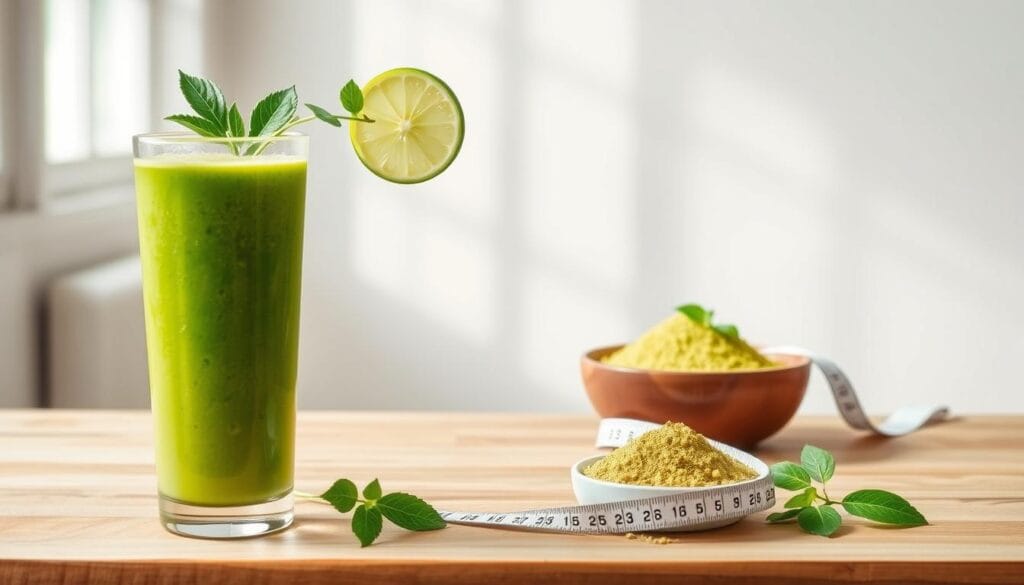
Powder works well in smoothies or yogurt; start 2–3 g and move toward 4–6 g as tolerated. Extract capsules offer better absorption in a smaller dose. Tea is caffeine-free and fits a pre-meal ritual. Cooked leaves add fiber and micronutrients to soups and sautés.
| Form | Typical dose | Key advantage |
|---|---|---|
| Powder | 2–6 g/day | Versatile in food |
| Extract capsules | Concentrated | Higher bioavailability |
| Tea | 1 cup | Caffeine-free ritual |
| Cooked leaves | Whole-food servings | Fiber and minerals |
Habit Stack (quick checklist)
- Morning: smoothie with powder or capsule with breakfast. Link: Recipe hub
- Pre-meal: cup of tea 15–30 minutes before a higher-carb meal.
- Evening: brief check-in—note appetite and energy; add light activity from the beginner workout.
Safety note: Check a human safety summary before starting new supplements. (See NIH or clinical reviews.)
Smart dosing, timing, and safety
Take a stepwise approach. Treat dosing like an experiment: start low, measure how you feel, and increase only if tolerated. Typical short-term tolerance in clinical work reached up to 8 g/day, and a single large dose showed no acute harm in one study.
Typical serving and bioavailability tips
Aim for 2–6 g/day of powder or follow labeled capsule directions. Choose extract-based products when you want active components in smaller servings. Separate powdered servings from mineral supplements by a few hours to reduce phytate binding.
Who should consult a clinician
| Condition | Why consult |
|---|---|
| Pregnant or breastfeeding | Some plant parts may pose risks; avoid bark and raw roots. |
| Thyroid disorders | Possible interactions that affect hormone function. |
| On diabetes or blood pressure medications | May potentiate medication effects; monitor levels closely. |
| Kidney or liver concerns | Altered metabolism or clearance may change effects. |
Medical Disclaimer
This section is informational and not medical advice. Talk with your clinician before starting supplements, especially if you take medications or have chronic conditions.
If you notice gastrointestinal discomfort, dizziness, or unexpected drops in readings, stop use and seek care. Stick to reputable, leaf-based products and avoid bark or raw roots. For safety reviews, consult NIH ODS guidance and clinical safety summaries.
Moringa for blood sugar and weight loss: sample 7-day plan
Try a focused week that blends a morning powder smoothie, a pre-meal cup of tea, and short daily activity to see how your body responds.
Daily schedule: meals, powder use, and activity
| Day | Morning | Pre-meal | Evening |
|---|---|---|---|
| Day 1 | Smoothie + 2 g powder | Tea 15 min before lunch | 20-min brisk walk |
| Day 2 | Yogurt + 2 g powder | Tea before lunch | Light resistance (15 min) |
| Day 3 | Oat bowl + 3 g powder | Tea | Brisk walk |
| Day 4 | Smoothie + 3 g powder | Tea | Resistance |
| Day 5 | Cooked eggs + 4 g powder (in smoothie) | Tea | Brisk walk |
| Day 6 | Smoothie + 4 g powder | Tea | Resistance |
| Day 7 | Choose favorite morning with 2–6 g powder | Tea | Reflection walk |
Tracking metrics
- Fasting glucose: check on three mornings (day 1, midweek, day 7).
- Post-meal levels: two checks when you try tea before carbs.
- Energy & appetite: log daily—note cravings and fullness.
- Activity: aim for two repeatable sessions (brisk walking, light resistance) and log steps.
- Weight: weigh on day 1 and day 7; watch trend, not daily noise.
Quick tips: Start at 2–3 g powder in the morning and move toward 4–6 g/day if tolerated. Pair servings with protein, fiber, and colorful plants to support steady levels and appetite.
Shop and store wisely to protect potency
Before you buy, learn how label terms and testing affect product potency and value.
Powder vs extract capsules: Powder is versatile and cost-effective. Extract capsules often concentrate active components and can improve absorption. Read labels to compare standardized polyphenol content, serving size, and whether the brand lists moringa oleifera leaf origin.
Quality checks and storage
Look for third-party seals like USP, NSF, or Informed Choice. Batch numbers and a downloadable certificate of analysis (COA) let you verify purity and contaminants.
| Label term | Typical polyphenol | Serving size | Lot testing |
|---|---|---|---|
| Leaf powder | Variable; whole-leaf profile (protein, fiber) | 2–6 g/day powder; food uses | Look for COA listing heavy metals and microbes |
| Leaf extract | Standardized polyphenol % (e.g., 5–20%) | Capsule equivalent, smaller mg doses | Batch-tested potency and purity preferred |
| Tea / dried leaves | Lower concentrated actives | 1 cup per serving, culinary use | Basic contaminant testing advised |
Store products in an opaque, airtight container in a cool, dry place. Avoid heat and humidity to preserve vitamins, minerals, and plant properties. Compare cost per serving across powder, capsules, and tea to match your budget.
Affiliate note: If you choose products via links on this site, expect an affiliate disclosure on product cards. You pay the same price; affiliates help support testing and content updates.
Conclusion
Here’s a short roadmap to turn what you read into practical choices this week.
Key takeaways: The leaf is nutrient-dense and contains antioxidants that may help metabolic markers. Human results vary; the strongest weight gains came in multi-ingredient trials, so treat the plant as a supportive food or supplement, not a cure.
Try recipes and the 7-day plan, pair powder servings with protein and activity, and use the colored tables and ToC to revisit dosing and safety. Check the clinical review: moringa oleifera review for primary studies.
Health disclaimer: This content is educational and not medical advice. Talk to your clinician before changing medications or starting supplements, especially if you have diabetes or take blood pressure drugs.
Affiliate disclosure: Some links may be affiliate links; purchases may earn a commission at no extra cost to you.
FAQ
What benefits does moringa offer for managing glucose, cholesterol, and body fat?
You can expect a mix of nutrients and plant compounds that support metabolic function. Leaves contain potassium, magnesium, vitamin C, and polyphenols that may improve insulin signaling, reduce oxidative stress, and modestly lower LDL cholesterol. Evidence from lab and animal work looks promising; small human trials show mild improvements in fasting glucose and lipid profiles when used alongside diet and exercise. Results vary by dose, product form, and individual health status.
Which product form should you choose — powder, capsules, or tea?
Pick a form that fits your routine. Powder blends easily into smoothies and offers the whole-leaf nutrient mix. Capsules provide consistent dosing and are convenient if you travel. Tea delivers a mild dose and can be a calming pre-meal ritual. Look for standardized leaf products, clear ingredient lists, and third-party testing to ensure potency.
How much should you take daily to see effects on metabolic markers?
Typical supplements range from 1 to 10 grams of powder or 500–2,000 mg of concentrated extract per day. Start at the low end to assess tolerance, then increase gradually. Clinical studies use varied doses, so aim for consistency and pair the supplement with dietary changes and exercise to maximize benefits.
Can this supplement interact with my diabetes or blood pressure medication?
Yes. Compounds in the plant can amplify the effects of drugs that lower glucose or blood pressure, increasing risk of hypoglycemia or hypotension. Always consult your prescribing clinician before starting any new supplement. Your provider may need to adjust drug doses and monitor labs after you begin.
Are there safety concerns or side effects you should watch for?
Most adults tolerate leaf-based products well at common doses. Mild digestive upset, nausea, or headaches can occur. Pregnant people should avoid certain extracts and seeds due to uterotonic compounds. Also avoid untested root or bark preparations. Stop use and seek care if you develop severe symptoms or allergic reactions.
How long until you might notice improvements in glucose, lipids, or weight?
Expect subtle changes first: energy, appetite control, and reduced cravings within 1–4 weeks. Measurable shifts in fasting glucose or cholesterol often require 6–12 weeks plus dietary and activity adjustments. Weight changes depend more on calorie balance and exercise; the supplement alone is unlikely to produce large losses.
Can you combine this supplement with other metabolic support supplements like berberine, cinnamon, or chromium?
You can combine complementary agents, but do so cautiously. Some combinations may produce additive blood glucose–lowering effects. Work with your clinician to design a safe regimen, monitor blood sugars closely, and avoid unnecessary overlap in mechanisms or excessive doses.
How do you verify product quality before buying?
Check for third-party testing (USP, NSF, or independent labs), clear origin and batch information, and full ingredient lists without fillers. Prefer products that list leaf-only or standardized extracts rather than vague “plant blends.” Read customer reviews and pick brands with transparent manufacturing practices.
Should teens or children use this supplement for weight or metabolic concerns?
Use in children and adolescents should be guided by a pediatrician. Growth, nutritional needs, and medication status differ from adults. Clinician supervision helps ensure safety and appropriate dosing when addressing metabolic concerns in younger people.
How should you store the powder or capsules to preserve potency?
Keep products in a cool, dry place away from direct sunlight. Use airtight containers and avoid leaving powders in humid environments. Check expiration dates and follow manufacturer storage recommendations to maintain antioxidant and vitamin activity.