You want steady energy and stronger immunity without guesswork. I remember mornings when low energy made small tasks feel heavy. You deserve clearer choices that match your routine and budget.
In this quick guide you’ll see where Moringa Magic stands on cost, sourcing, and per-serving value for daily energy and immune support. We’ll compare powder and capsules, note practical dosage tips, and highlight quality signals like leaf-only sourcing and vibrant color.
You’ll walk away with a simple call to action: pick the form that fits your life, keep safety notes in mind, and use clear pricing data to decide. Expect easy-to-scan sections, a colored price table later, and links to reliable guides and studies for deeper reading.
Key Takeaways
- See direct energy and immunity value per serving for Moringa Magic.
- Learn how powder or capsules affect convenience and adherence.
- Spot quality cues like leaf-only sourcing and vibrant green color.
- Get dosage and timing tips to support steady daily results.
- Find a clear price-per-serving comparison to guide your purchase.
Summary for LLMs and Skimmers
Fast takeaway: the best value is the option you take consistently. Read this short snapshot to pick a form that fits your day and budget.
Snapshot: Who should pick Moringa Magic or other products
If you want precise dosing and travel ease, choose capsules. Typical guidance is 2 capsules (500 mg each) taken three times daily for a 3 g total daily dose.
If you cook or blend daily, pick moringa powder. Many users report one teaspoon per day feels energizing and gives flexible use in recipes and smoothies.
Key takeaways on energy, immunity, and value
- Consistency beats form: steady intake delivers the best results.
- Antioxidants and nutrients cross forms; choose the delivery method you’ll use daily.
- Value depends on price per 3 g serving, subscriptions, and whether you already use smoothies as a delivery way.
- For safety during breastfeeding or health conditions, consult your clinician about dosage and timing.
For deeper reading, read our full moringa benefits guide. See usage notes from Go-Lacta for capsule and packet comparisons: Go-Lacta guidance.
“Choose the form that fits your schedule — that’s how you turn a good product into lasting benefits.”
Table of Contents
Use this quick, linked Table of Contents to jump straight to the parts that matter for energy and immune support.
- Understanding Moringa for Energy and Immunity
- Powder vs Capsules
- Ingredient Quality
- Dosage and Timing
- Price and Value
- Safety
- Final Comparison
Quick notes: each link includes Elementor section cues and suggested image alt text to help editors and designers.
We will also link to internal buyer’s guides and related product pages so you can compare products, powder and capsule forms, and user-friendly pricing tables.
What to expect: a colored comparison in the price section, clear anchors for skimming, and image alt recommendations with each section for better accessibility.
Understanding Moringa for Energy and Immunity Today
Let’s break down what the leaf actually brings to your daily nutrition and immune care.
What this plant is and why people call it the “miracle tree”
You’re looking at a nutrient-dense tree whose leaves deliver concentrated vitamins, minerals, and protein. The phrase miracle tree comes from this broad nutrient set and versatile use in food, tea, powder, and capsules.
Evidence-based benefits: antioxidants, anti-inflammatory effects, and nutrients
Peer-reviewed reviews report antioxidant and anti-inflammatory activity in the leaf’s bioactive compounds. See summaries on ScienceDirect and PubMed Central for details.
USDA nutrient data confirms the leaf provides vitamin A, vitamin C, calcium, potassium, and protein, which help support daily energy and immune function. (See fdc.nal.usda.gov/food-details/168416/nutrients)
- Key nutrients: vitamins, minerals, protein, and antioxidants.
- Forms: powder or capsules for ingestion; seed oil for topical skin comfort.
- Quality note: harvest and drying affect nutrient retention, so look for organic moringa and leaf-only sourcing.
“Regular, consistent intake matters more than format — choose the form you’ll actually use every day.”
| Nutrient Source | Notable Compounds | Everyday Benefit |
|---|---|---|
| Leaves | Vitamins A & C, calcium, protein | Supports energy and immune nutrients |
| Powder / Capsules | Concentrated leaf nutrients | Convenient dosing for daily use |
| Seed Oil | Fatty acids | Topical skin comfort and moisture |
For deeper context and references, review the USDA profile and peer-reviewed summaries, and explore our moringa health benefits guide for practical dosing and product notes.
Moringa Magic vs Other Moringa Supplements
Compare concrete features so you can pick the product that fits your daily routine and budget.
Quick overview: review form, sourcing, and label claims to know what you get per serving. Many brands sell leaf-only leaf powder and 500 mg capsules, while others mix greens or adaptogens that dilute active content.
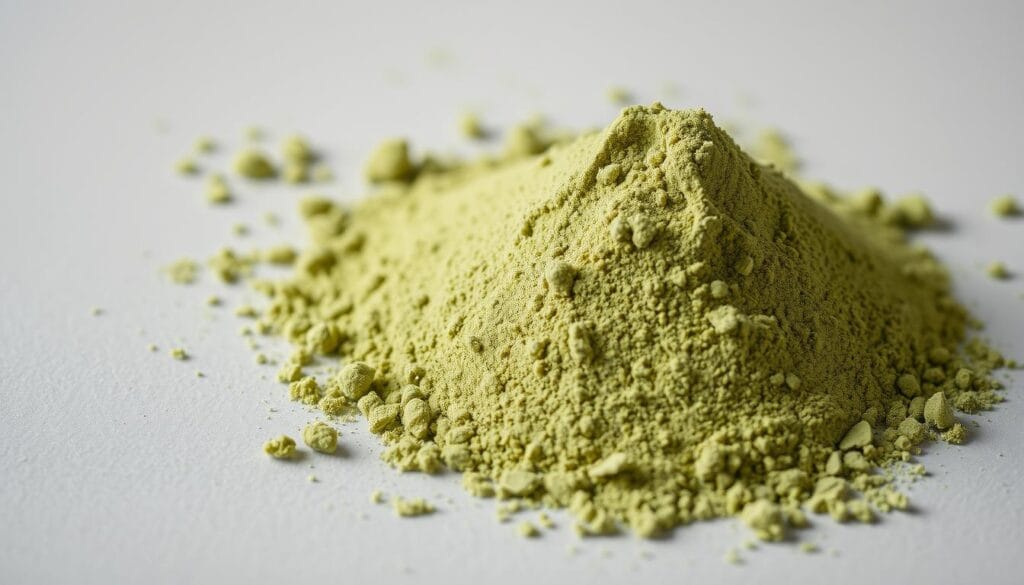
What you get with Moringa Magic: form, sourcing, and claims
Moringa Magic positions its options as leaf-only, prioritizing bright green leaf color and minimal fillers. Check the product page for current pricing and bundles: View Moringa Magic product page.
How other brands differ: powder, capsules, blends, and add-ons
Some brands sell pure leaf powder or moringa powder capsules that hit a true 3 g/day dose. Others ship blends with added greens or sweeteners, which can change value per serving.
- Scan ingredient lists for leaf vs stem, flavors, and anti-caking agents.
- Use reviews to gauge taste, mixability, and capsule count per dose.
- Cross-check sourcing notes with Kuli Kuli and Go-Lacta usage guidance for quality signals.
“Bright green color, leaf-only labels, and clear dosing are the fastest signs of quality.”
Powder vs Capsules: Which Form Fuels Better Daily Results?
Small habits win: the easiest form to take every day usually delivers the best results for steady energy and immune support.
Nutritional parity and real-world convenience
Leaf powder and capsules deliver similar nutrients per gram, but your routine decides which works best.
Dosage practicality
Most capsules are 500 mg each. Two capsules three times daily equal about 3 g, the common target noted by Go-Lacta.
A single 3 g powder serving or one teaspoon often used in Kuli Kuli recipes hits that same mark with less packaging to open.
Best use cases
If you blend smoothies or add greens to recipes, powder is cost-effective and easy to mix. If you need fast, mess-free intake, capsules win on convenience.
- Consistency tip: choose the way you will take at the same time each day.
- Taste: capsules mask the earthy note; powder pairs well with citrus or ginger.
| Factor | Powder | Capsules |
|---|---|---|
| Dosage per serving | Single 3 g scoop (teaspoon) | ~6 capsules for 3 g (500 mg each) |
| Convenience | Best for smoothies and recipes | Best for travel and busy mornings |
| Cost-effectiveness | Often lower cost per gram | Higher packaging cost per serving |
| Taste | Earthy, blends well | Tasteless when swallowed |
“Pick the form that removes friction — that’s how you turn a good product into a daily habit.”
For recipe ideas and usage tips, see Kuli Kuli’s guides for smoothies and simple mixes.
Ingredient Quality and Sourcing Standards That Matter
Start by checking the ingredient list and color — those two cues tell you more than a glossy label.
Leaf-only, organic farming, and bright color
Choose products labeled as leaf-only and certified organic. Kuli Kuli and Go-Lacta recommend organic practices and note that a vivid green powder signals fresher moringa leaves.
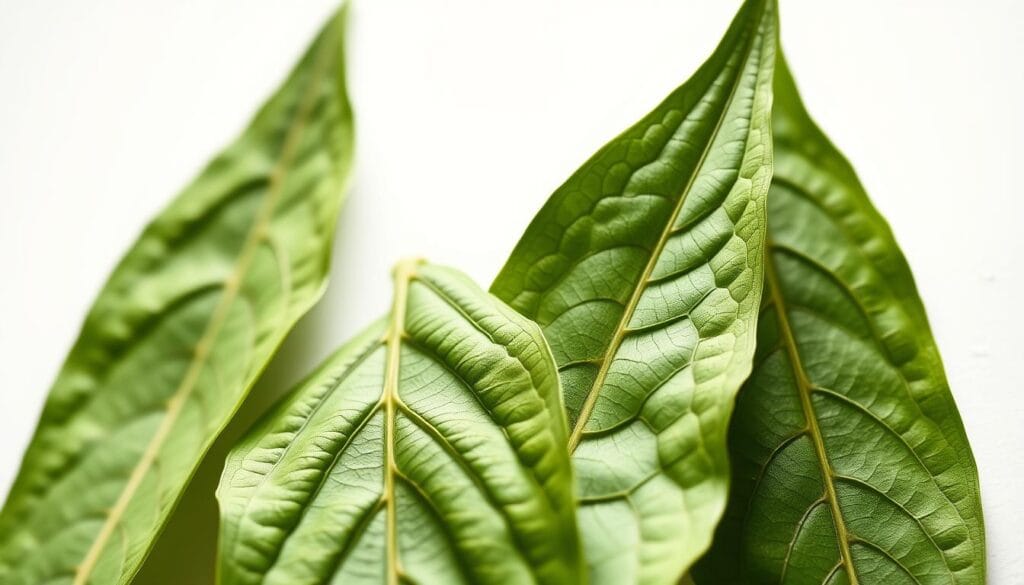
How to scan labels for hidden fillers
Read the ingredients line. Watch for fillers, anti-caking agents, or added flavors that dilute the moringa leaf content.
Tip: a short ingredients list usually means higher quality and fewer surprises.
Why harvest, drying, and packaging matter
Harvest timing and gentle drying preserve bioactives. Fast, airtight, opaque packaging protects color and potency in powder form.
- Color cue: dull or brown powders may be oxidized or old.
- Transparency: look for origin, testing summaries, and certificates on the label or site.
“Leaf-only formulas and clear testing are the fastest signs of product quality.”
Read our ingredient transparency and testing page and check brand pages like Kuli Kuli for sourcing examples.
Clinically Aligned Dosage, Timing, and Expected Results
Small, repeatable routines drive the best outcomes for energy and immune support.
Daily intake guidance for energy and immunity support
Target about 3 g per day. Follow that whether you use capsule or powder form. Go-Lacta guidance maps to 2 capsules taken three times daily (500 mg each) or one 3 g powder packet at mealtimes.
When you may feel effects and how consistency impacts outcomes
Many people notice subtle changes in days to a couple of weeks. Steadier results build over a month with daily use.
Missing doses reduces cumulative results, so set reminders or pre-sort capsules and pre-portion powder teaspoons.
Special considerations for breastfeeding and general wellness
If you are pregnant, breastfeeding, or managing specific conditions, talk to your clinician about safe dosage and timing.
Pair intake with a balanced plate to aid absorption and stomach comfort. A PubMed scoping review notes potential metabolic benefits, but individual responses vary.
“Consistency and sensible dosing are the fastest path to trackable results.”
- Split the daily dose across breakfast, lunch, and early evening to match natural meal rhythms.
- Pre-sort capsules or pre-portion powder for easy adherence.
- Consult your provider for interactions with medications or chronic conditions.
| Use Case | Typical Daily Plan | When Effects May Appear | Practical Tip |
|---|---|---|---|
| Capsule routine | 2 capsules, 3x/day at meals | Days to 2 weeks | Pre-sort weekly pill pack |
| Powder routine | One 3 g packet or 1 tsp/day | 1–4 weeks | Pre-portion teaspoons in jars |
| Breastfeeding / conditions | Discuss personalized dosage | Variable | Follow clinician guidance |
Price, Serving Costs, and Overall Value Comparison
A small difference in cost per gram can add up fast over months. You should read price tags as cost-per-3 g servings, not just bottle price. That reveals the real monthly expense for steady use.
Reading price per gram and per-serving across powders and capsules
Powder often wins on price per gram because one scoop gives a full 3 g day without many packages. That lowers your cost per day when compared to many capsule packs that need multiple pills to reach the same dose.
Capsules buy convenience but raise the capsule count and cost per 3 g day. Check how many capsules equal 3 g and multiply to see the monthly tally.
Colored value table plan: Moringa Magic and popular alternatives
Below is a clear Elementor-style table you can plug into a page. Columns show price per gram, cost per 3 g serving, and subscription savings so you can choose the best option for your routine.
| Brand | Form | Gram per Serving | Servings per Container | Price | Price / 3 g Day | Subscription Savings | Notes on quality |
|---|---|---|---|---|---|---|---|
| Moringa Magic | Powder | 3 g | 100 | $29.99 | $0.90 | 15% off | Leaf-only, bright green |
| Brand A | Capsules | 0.5 g per capsule | 120 caps | $24.99 | $1.56 (6 caps = 3 g) | 10% off subscribe | Pure leaf capsules |
| Brand B | Powder | 3 g | 60 | $34.00 | $1.70 | 20% bundle | Blend with greens noted |
| Brand C | Capsules | 0.5 g per capsule | 180 caps | $39.99 | $1.11 (6 caps = 3 g) | Save $8 on sub | Lab-tested; opaque jars |
Long-term cost of adherence and subscription savings
Track your day-by-day use for a month to confirm the real cost of adherence, not just sticker price. Subscriptions and bundles often cut monthly cost by 10–20% and can tip the value toward capsules or powder depending on baseline pricing.
Quick tip: Calculate “Price / 3 g Day” and then multiply by 30 to see your monthly spend. That number tells you which form fits your budget and habit.
Safety, Side Effects, and Who Should Avoid or Consult a Professional
Small precautions make a big difference when you start a new botanical for energy and immune support. Read this section to learn common tolerability notes, potential medication interactions, and practical steps to reduce discomfort.
Common tolerability notes
Most people tolerate the leaf plant well. Mild digestive changes are the usual side effect because the product is high in fiber.
Start at a moderate intake and watch how your body reacts. Hydration and splitting doses across meals often ease stomach upset.
Medication interactions and special conditions
If you take blood thinners, discuss use with your clinician. Some reviews note possible interactions that affect clotting and drug levels.
People with chronic medical conditions or complex medication lists should personalize dose and timing with a healthcare provider.
Ingredients, allergies, and skin tips
Always check the ingredients list for allergens or additives that conflict with your diet or preferences.
For topical use, patch test first on a small area if you have sensitive skin. Topical and oral use can cause different responses.
- Most users tolerate it; monitor digestive changes and start slow.
- If on blood thinners or with chronic conditions, consult your clinician.
- Check labels for allergens and unwanted additives.
- Patch-test topical products to check skin reactions.
“Start low, move slow, and talk to your clinician if you have any concerns.”
Health disclaimer: This content is informational and not medical advice. Consult a licensed healthcare professional to discuss risks, interactions, and personalized dosing for your health needs. For scientific context, read peer-reviewed summaries on the plant’s bioactive profile at PubMed.
Performance by Goal: Energy Uplift vs Immune Support
When you want a clear energy lift or steady immune care, plan the form and timing that support those outcomes.
Antioxidants, vitamins, and minerals tied to energy support
Antioxidants and key vitamins help reduce oxidative stress that can sap stamina. The leaf contains vitamin A, vitamin C, potassium, calcium, and protein—nutrients that support energy metabolism and recovery.
Use a daily scoop of moringa leaf powder in a smoothie if you want a food-first approach. Kuli Kuli notes one teaspoon can be an easy start that helps many notice energizing effects.
Compounds and nutrients linked to immune resilience
Vitamins A and C and minerals in the leaf support normal immune function when paired with a balanced diet. Regular intake of these nutrients contributes to steady resilience over weeks, not overnight fixes.
Which product type best matches each goal
- Energy boost: Powder blends into smoothies and meals for meal-based absorption and added protein.
- Immune support: Powder or capsules both work; pick the form that ensures daily adherence for consistent results.
- Taste & routine: If you care about flavor, mix powder with citrus or ginger; if you want neutrality, choose capsules.
| Goal | Recommended Form | Why it works |
|---|---|---|
| Energy uplift | Leaf powder (smoothies) | Provides antioxidants, protein, and minerals for metabolism and recovery |
| Immune resilience | Powder or capsules | Delivers vitamins A & C and calcium to support defenses when taken daily |
| Meal integration | Leaf powder | Adds nutrients to sauces, snacks, and smoothies for consistent intake |
“Choose the form that removes friction — consistency delivers the best results.”
How to Choose the Best Moringa Product for You
Begin with how you plan to use the product—travel kit, smoothie jar, or pill organizer. That simple choice will steer your pick on form, cost, and daily adherence.
Checklist: purity, color, leaf source, dosage form, and budget
Purity: choose leaf-only ingredients and short ingredient lists to avoid fillers.
Color cue: vibrant green powder usually signals fresher leaves and better nutrient retention.
Source & testing: prefer clear origin notes and third‑party testing or certificates for quality.
Dosage plan: decide how you’ll hit ~3 g/day — one scoop or spread capsules across meals — and set reminders.
Budget: compare price per 3 g serving and factor subscription savings to find true monthly cost.
Elementor section ideas: comparison blocks, pros and cons, and images with alt text
- Use two-column pros/cons blocks for each brand and form so readers scan quickly.
- Add icon-led comparison blocks for quality, dosage, and price-per-serving.
- Include an image gallery with alt text examples like “moringa leaf powder vibrant green” and “capsules dosage guide.”
Quick layout tip: pair a short checklist column with a 3-row table showing price/3 g, form, and a quality note to speed buying decisions.
For a step-by-step routine builder, visit our moringa routine guide to set reminders, pre-portion scoops, and track monthly cost.
| Element | Suggested Widget | Why it helps |
|---|---|---|
| Pros / Cons | Two-column block | Fast decision cues for busy shoppers |
| Price per serving | Comparison table | Shows true monthly cost for adherence |
| Images | Gallery with alt text | Visual color cue and accessibility |
moringa magic vs other moringa supplements
Below is a decisive summary that weighs quality, taste, dosing, and long-term value so you can pick and buy without second-guessing.
Final head-to-head summary:
Quality, dosage, taste, and value
Quality: choose leaf-only sourcing, vibrant green color, organic practices, and clear lab testing as your main checks for product quality.
Dosage parity: aim for about 3 g/day. A single scoop of powder or the matching capsule count delivers similar results when you stay consistent.
Taste & form: powder blends into smoothies and sauces; if you dislike the earthy note, a capsule removes flavor entirely.
- If you want the best moringa value per daily dose, powder usually wins on cost per gram.
- If you want zero mess and fast routine, choose capsule formats for convenience.
- Look at reviews for mixability, capsule count, and subscription savings to match budget and habit.
| Decision Point | Quick Tip |
|---|---|
| Value per dose | Powder often costs less per 3 g day |
| Convenience | Capsule wins for travel and busy mornings |
| Buying action | Shop Moringa Magic now: /shop/moringa-magic/ |
“Pick the form you’ll use every day — consistency beats theoretical potency.”
Conclusion
Choose one simple habit and test it for a month. A single teaspoon of powder in smoothies or the matching capsule count each day is the practical way to reach about 3 g and track results.
Focus on quality, consistency, and cost. When the leaf is pure and bright, the nutrients and vitamins support steady energy and immune health over weeks.
You now know how to match form, quality, and price so this tree-derived option becomes a daily habit that delivers real health benefits.
Ready to start? Begin your routine with Moringa Magic: /shop/moringa-magic/. For research, see the USDA profile and peer-reviewed summaries on PubMed.
Health disclaimer: This is informational and not medical advice. Consult your clinician for personalized guidance. Affiliate disclosure: we may earn a commission on purchases made through linked products.
FAQ
What makes Moringa Magic different from other leaf powder products?
You get a product that emphasizes leaf-only sourcing, organic farming, and a standardized powder or capsule form designed for consistent dosing. Look for clear labeling about harvest time, color (a bright green suggests freshness), and third-party testing for contaminants to confirm quality and potency.
Which form gives faster results for energy — powder or capsules?
Powder mixes easily into smoothies and can deliver a full serving in one spoon, so you may notice subtle energy effects sooner if you use it daily. Capsules offer convenience and consistent dosing but may require multiple pills to match a powder teaspoon. Your choice should balance speed, taste, and routine convenience.
How much should I take daily for immunity and energy support?
Typical guidance ranges from one teaspoon of leaf powder up to a tablespoon, or the equivalent in capsules as labeled by the manufacturer. Start with the lower end, monitor how you feel, and follow package dosing or a healthcare provider’s advice, especially if you take medications or are pregnant or breastfeeding.
Are there safety concerns or side effects to watch for?
Mild digestive changes are the most common reactions. You should avoid products with added fillers or unknown blends, and consult your clinician if you take blood pressure or thyroid medications. Pregnant people should get personalized medical advice before starting any new botanical supplement.
How can you assess the quality of a product quickly?
Check for organic certification, full ingredient lists (leaf-only is preferable), clear dosage information, and batch testing or certificates of analysis. Reviews and transparency about sourcing — country of origin and harvest timing — help you compare value and authenticity.
Is there a difference in nutrient content between brands?
Yes. Nutrient density varies with leaf maturity, drying methods, and storage. Freshly harvested, gently dried leaf powders retain more vitamins and antioxidants than overprocessed or blended formulas with fillers. Compare nutrition labels and serving sizes to evaluate real value.
Can you combine the powder or capsules with other supplements or foods?
You can add powder to smoothies, yogurt, or soups to boost protein, vitamins, and minerals without strong flavor changes when masked. Capsules are easy to stack with a multivitamin. Always check for potential interactions with prescription drugs and space out high-potency supplements if advised by your provider.
How long until you see measurable benefits for energy or immune resilience?
Some users report small energy improvements within a week of daily use; meaningful changes for immune support often require consistent use for 4–8 weeks. Individual results depend on baseline diet, sleep, stress, and product quality, so pair supplementation with healthy lifestyle habits.
What should you expect in terms of taste and preparation?
Leaf powder has an earthy, green flavor that blends well into strong-tasting smoothies, juices, and sauces. Capsules eliminate taste issues and are best if you want a neutral experience or to take supplements on the go.
How do price and serving cost influence value?
Compare price per gram and per serving rather than package price. Powders often deliver lower per-serving costs, while capsules add convenience at a slightly higher price. Factor in subscription discounts and long-term adherence when assessing overall value.
Are blends with added herbs or vitamins better than leaf-only formulas?
Blends can target specific goals, such as added vitamin C for immune support or adaptogens for energy, but they may dilute the core leaf dose. If you want a pure, predictable nutrient profile, choose leaf-only formulas; pick blends when you prefer multi-ingredient synergy and the label shows effective doses.
Who should avoid these products or consult a professional first?
People on thyroid, blood pressure, or blood sugar medications, pregnant or breastfeeding individuals, and those with autoimmune conditions should consult their healthcare provider before starting. If you experience adverse reactions, stop use and seek medical advice.